The 'un-Australian' paradox
The campaign built its brand on 'un-Australian' language for years, then satirised the concept itself — an inversion whose motive the sources leave open.
For eighteen years the campaign’s central satirical conceit was the accusation of being “un-Australian.” In 2023 it turned that concept against itself. The relationship between the long use of the term and its late critique is not clean, and the sources deliberately leave the campaign’s motive unresolved.
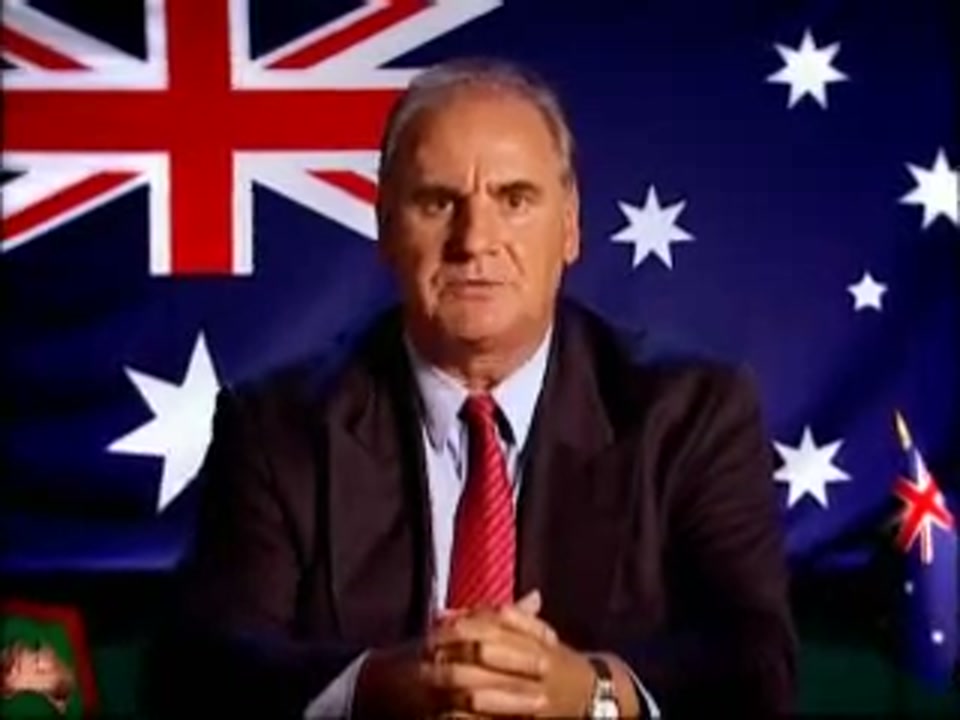
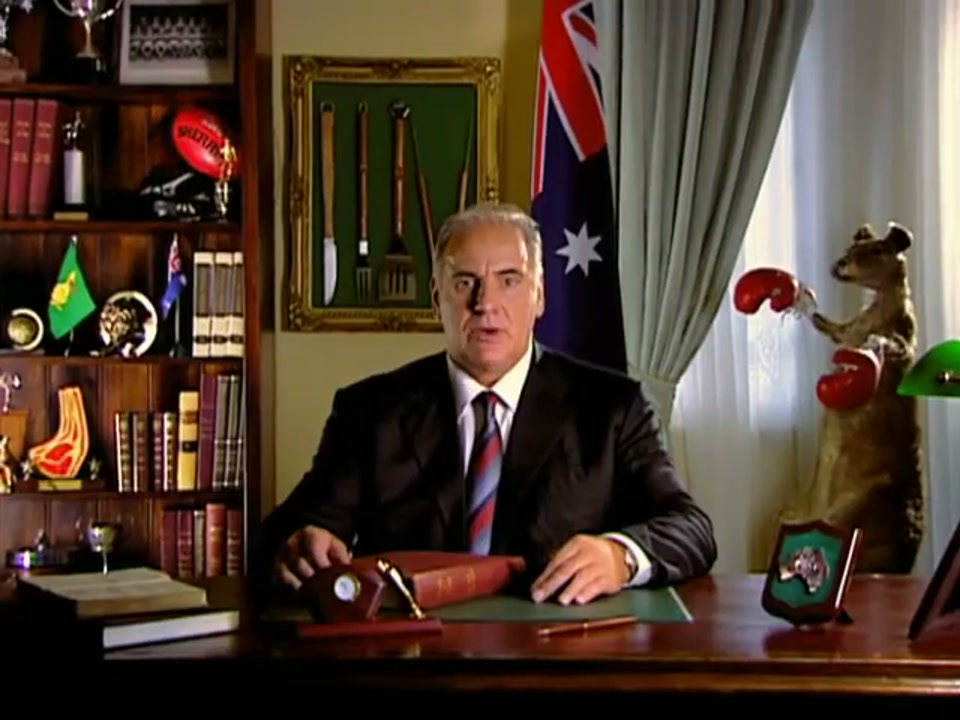
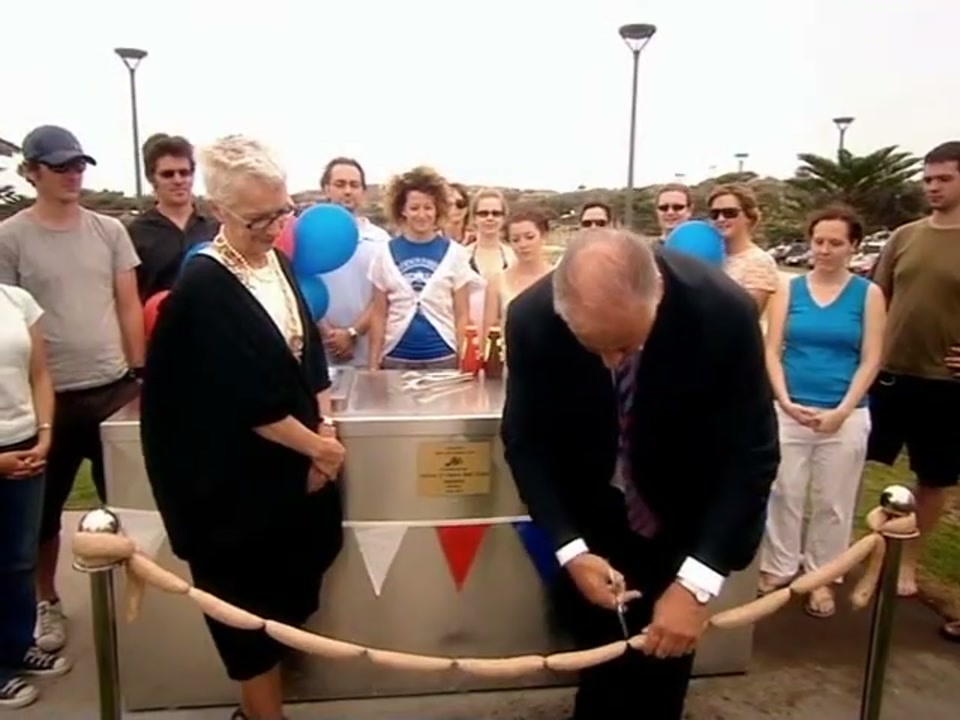
The slogan “Don’t be un-Australian. Serve lamb on Australia Day” anchored the Kekovich era. From 2005’s Un-Australianism through the annual addresses of 2006, 2009, 2013 and 2014, the term defined Australianness by negation — foreign food, vegetarianism, political correctness and celebrity culture were all “un-Australian.” The sources classify the character’s use of the phrase as ambiguous: satirised by excess, yet repeated sincerely enough that audiences could take it at face value.
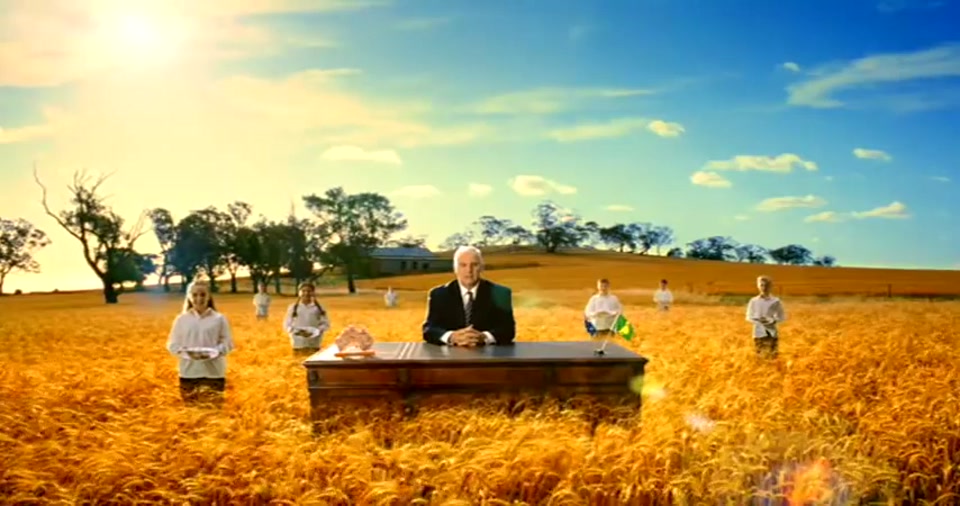
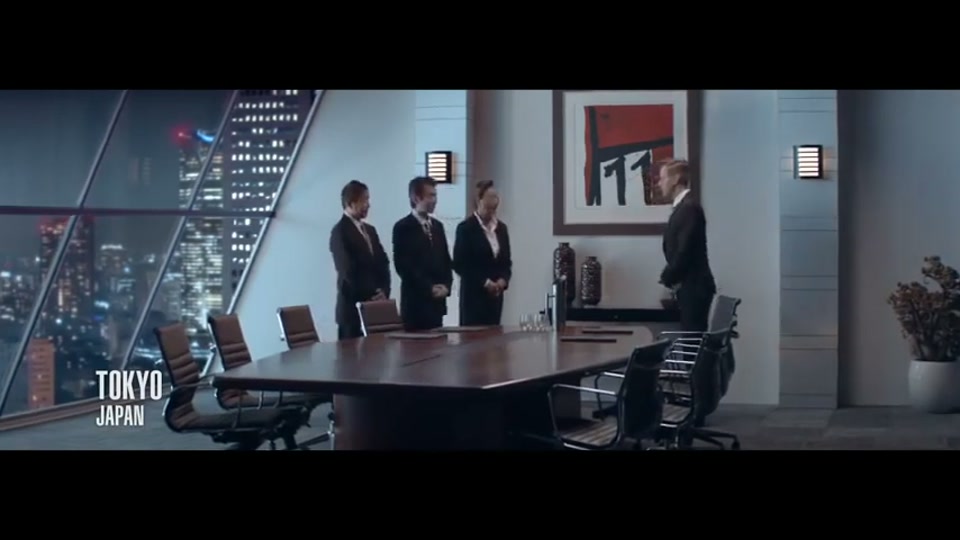
2023’s Un-Australian inverts the premise. It stages cancel culture as mass exile to an “Un-Australia,” then has a lamb barbecue transform that wasteland into a thriving community — arguing that everyone is “un-Australian” in some way, and that the impulse to police identity is itself the social damage. The campaign arrives at a position that structurally contradicts its own founding joke.
The analysis names this as the campaign’s most significant single advertisement since 2005 and is explicit about the uncertainty it leaves behind. The campaign spent nearly two decades building brand identity on exactly the language 2023 critiques, and whether the inversion represents genuine ideological evolution or an opportunistic reversal — an adaptation to a changed cultural market — cannot be determined from the evidence in the files. The sources preserve this as an open question rather than settling it.
The guidance the corpus offers is that a sincere return to “un-Australian” as a purity test would now contradict the campaign’s own 2023 statement, while satirising the gatekeeping impulse itself remains available. This paradox is the sharpest instance of the campaign’s contested identity and its wider nostalgia-versus-evolution tension.
Advertisements (6)
- 2005 Un-Australianism
- 2016 Operation Boomerang
- 2023 Un-Australian