Era 1 — The Kekovich Doctrine
“Don't be un-Australian. Serve lamb on Australia Day.”
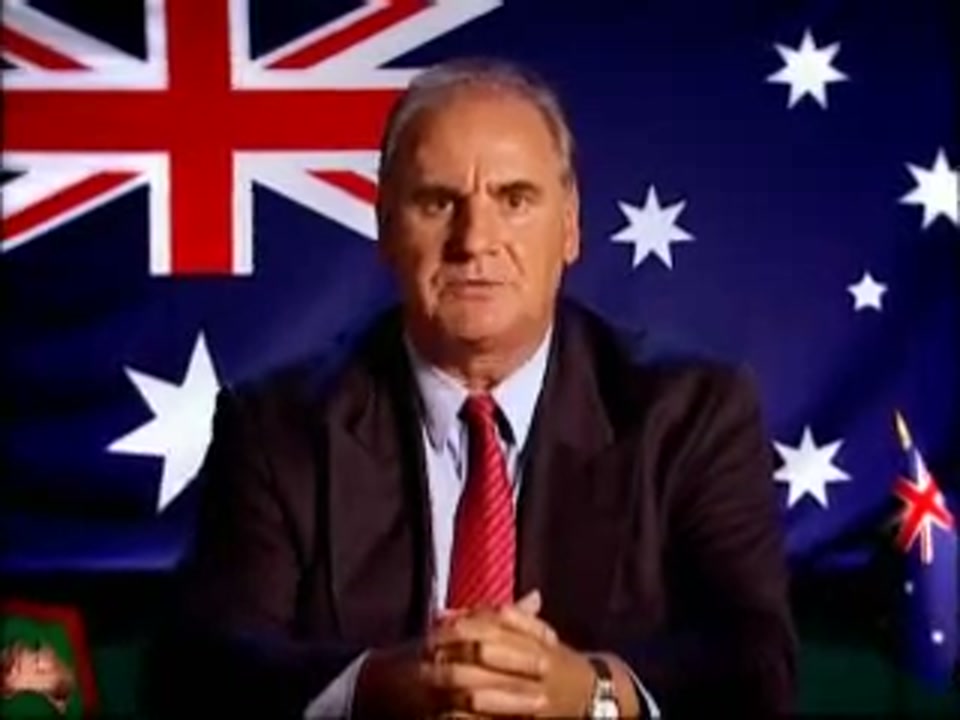
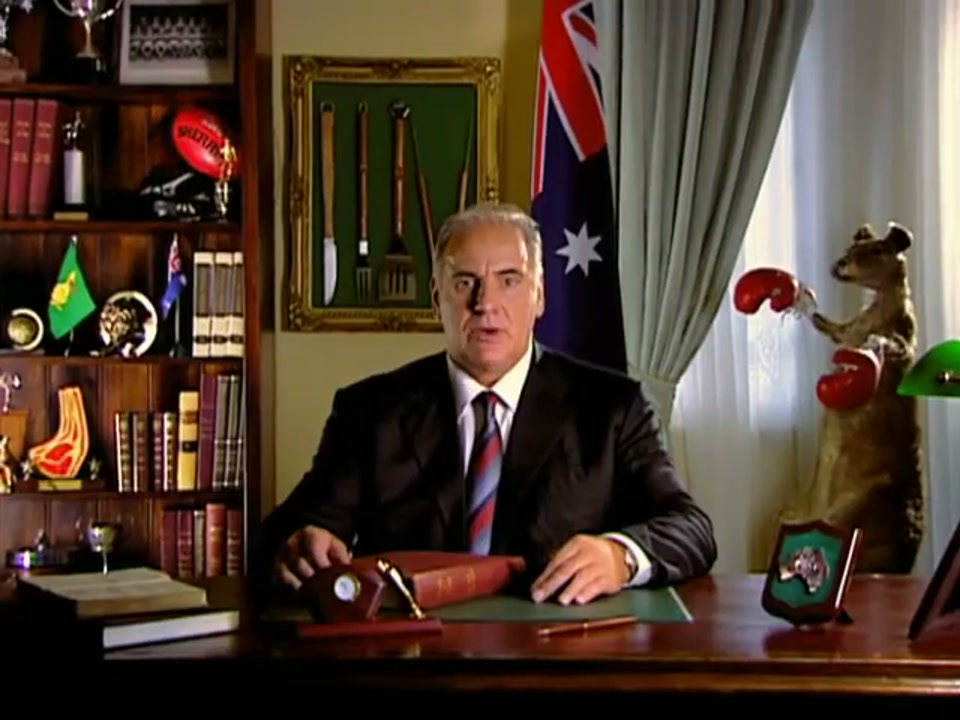
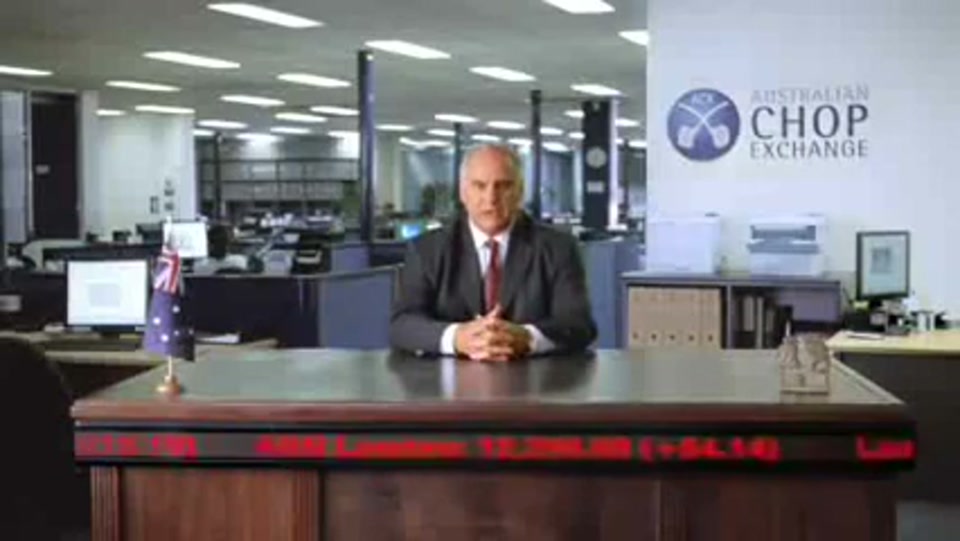
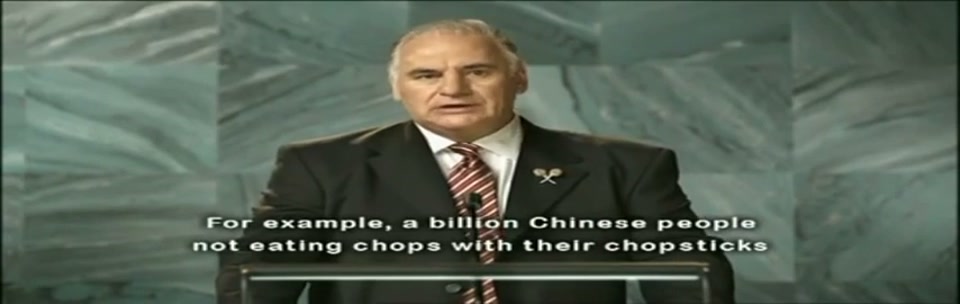
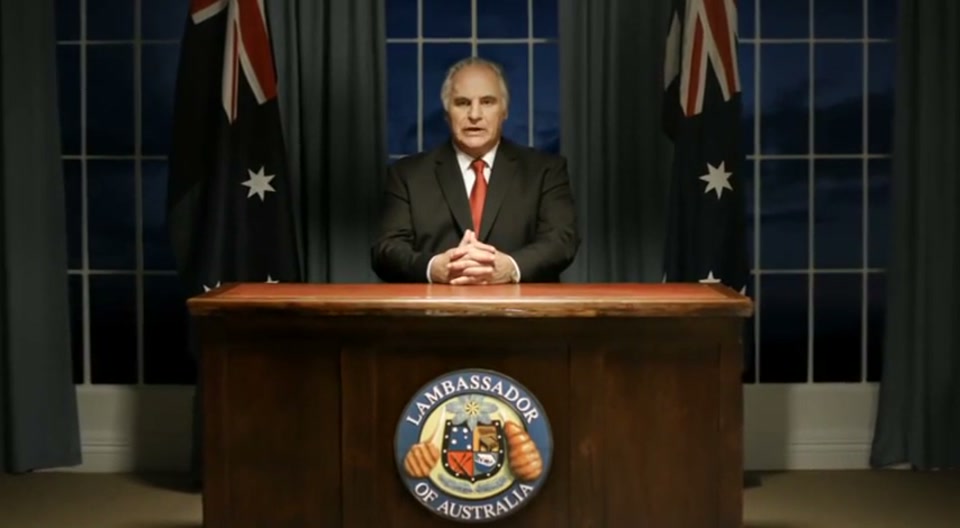
2005–2013. The founding era: Sam Kekovich as the mock-nationalist 'Lambassador', delivering bombastic state-of-the-nation addresses from a fixed desk.
For most of its first decade the campaign operated through the persona of Sam Kekovich, a former Australian rules footballer cast as a mock-nationalist Lambassador who delivered “state of the nation” speeches from a formal desk. In this era Australian identity was defined negatively — by what it excluded: foreign food, vegetarians, hipsters, political correctness.
Defining context
Australia under the Howard government (1996–2007) was conducting publicly charged debates about national identity, multiculturalism, the ANZAC tradition, and “un-Australian” behaviour. The term “un-Australian” was in active political use. Later in the era, the Global Financial Crisis (2008–2009) and a succession of topical scandals — sporting, political and celebrity — provided annual ammunition.
The dominant idea of Australianness
Australian identity in this era is defined by ritual adherence — primarily, eating lamb on Australia Day — and by the rejection of “un-Australian” alternatives. Kekovich’s character constructs Australianness as traditionalist, masculine, blunt and suspicious of foreign influence. Crucially, the campaign simultaneously mocks this construction by delivering it through extreme hyperbole: the character’s positions are absurdist by design. Mistaking his prejudices for the campaign’s beliefs is the single most common misreading of the corpus.
The exception that proves the direction of travel is 2006, which adds the inclusive line “invite everyone over; if you can’t pronounce their name, just call them ‘mate’.” This verbal gesture toward inclusion sits alongside Kekovich’s exclusionary rhetoric, creating the founding tension the campaign would spend two decades resolving.
Creative form
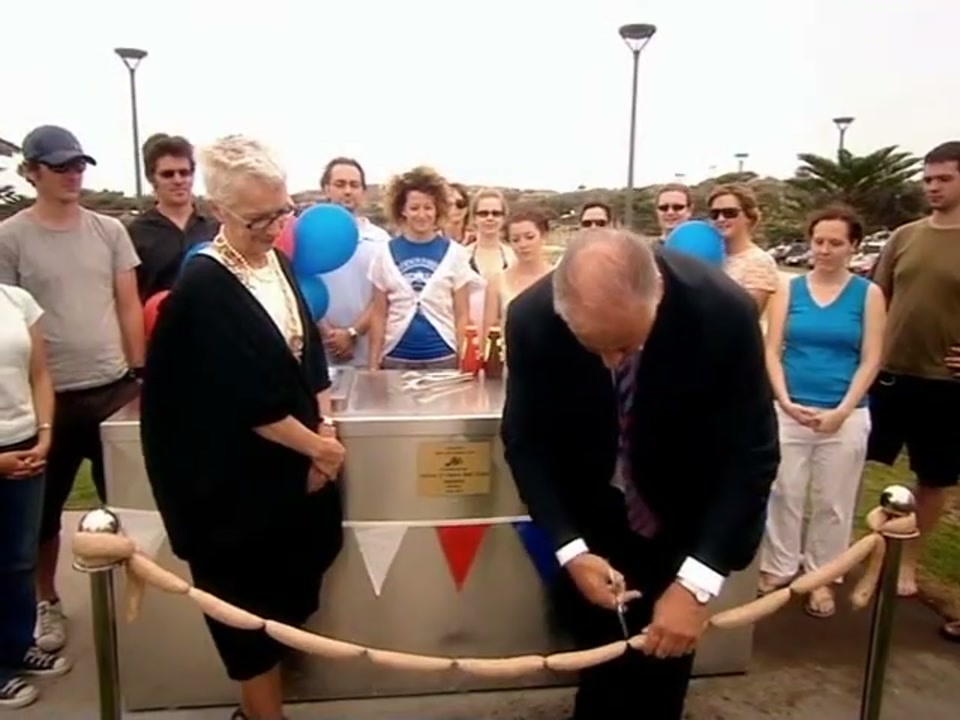
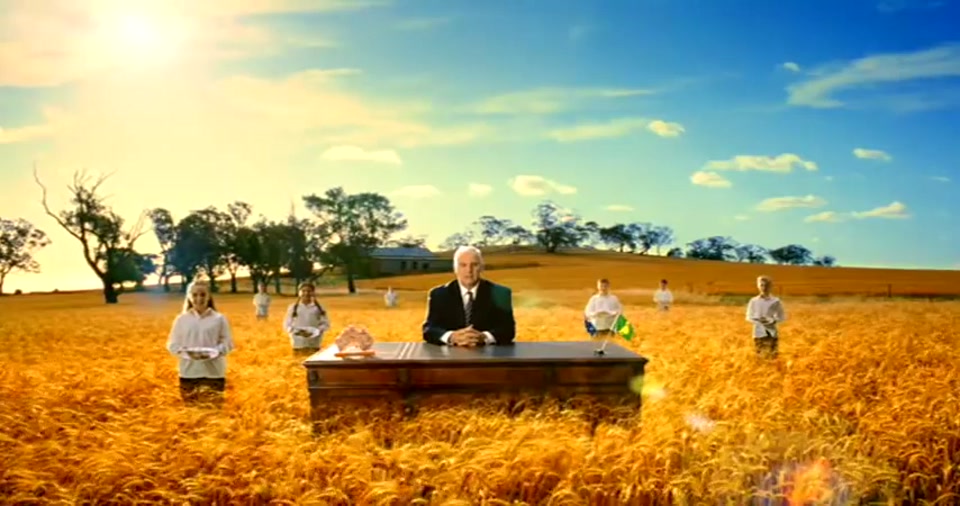
Mock-political address from a fixed desk or lectern; deadpan, mock-serious delivery of escalating absurdities; formal setting plus informal language; and an annual density of topical references. From 2007 the format expanded to satirical political manifestos, international travel sequences (2010, 2011), a pop-music-video parody (2012) and a fictional disease (2013).
What carried forward
The fixed-desk address was retired as the primary format after this era, but its deepest inheritance endures: the mock-serious delivery of absurd content, the self-deprecation that earns national pride, and lamb as a social ritual. The next era replaced the monologue with the ensemble.
Advertisements in this era (9)
- 2005 Un-Australianism
- 2013 Lambnesia