Inclusion, exclusion and belonging
The campaign's inclusiveness expands over two decades but carries an ongoing First Nations gap and a persistent exclusionary joke about vegans.
Who belongs at the Australian barbecue, and on what terms, is one of the campaign’s central and least settled questions. Its treatment of inclusion expands over two decades, but the record contains conspicuous gaps and one persistent exclusionary joke.
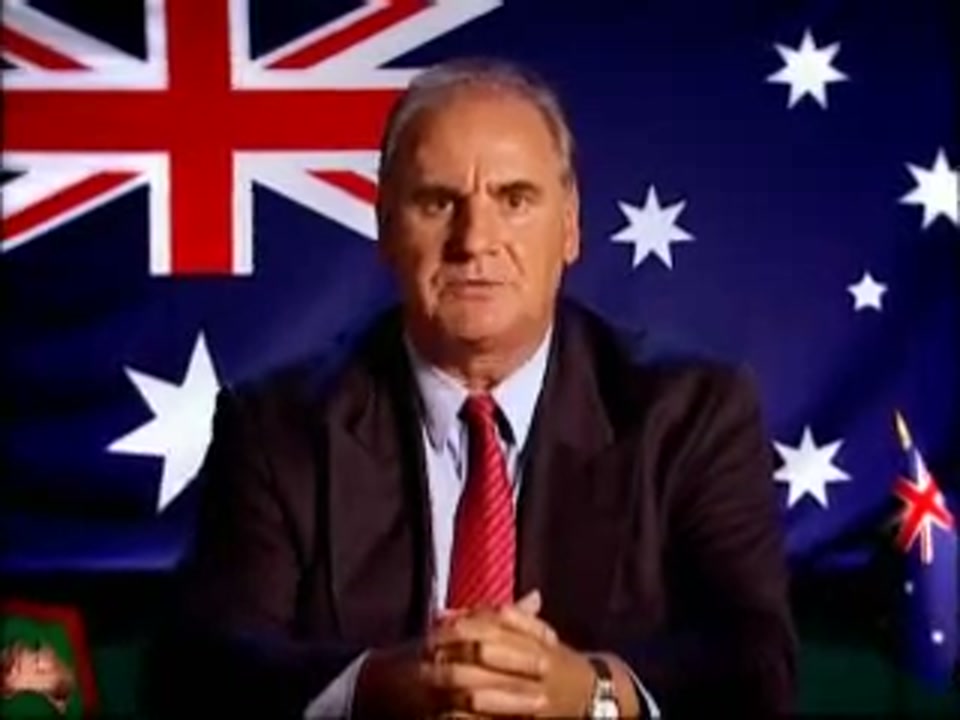
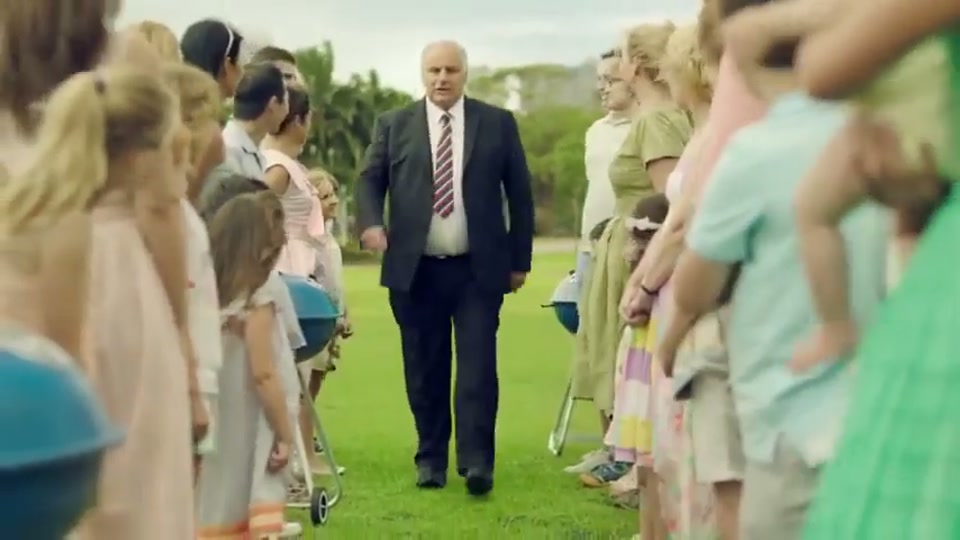
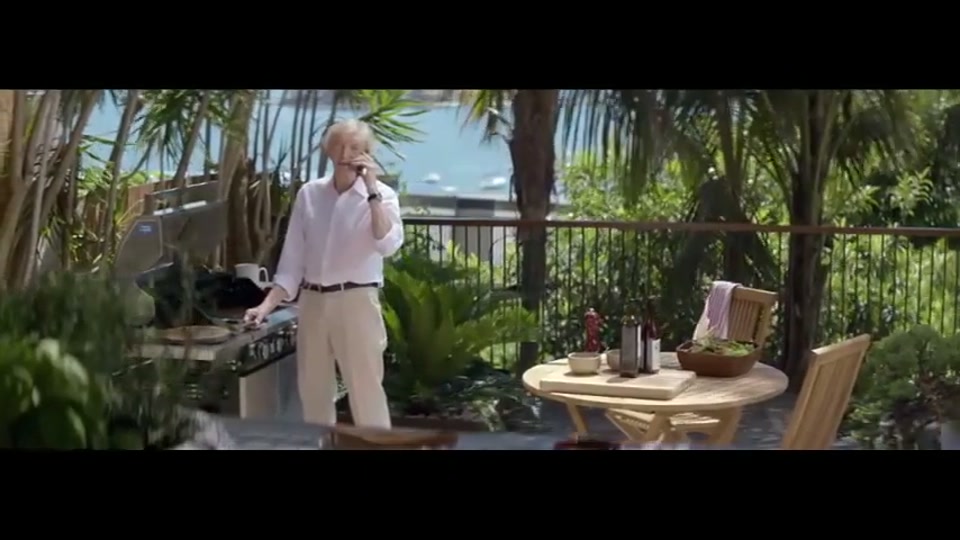
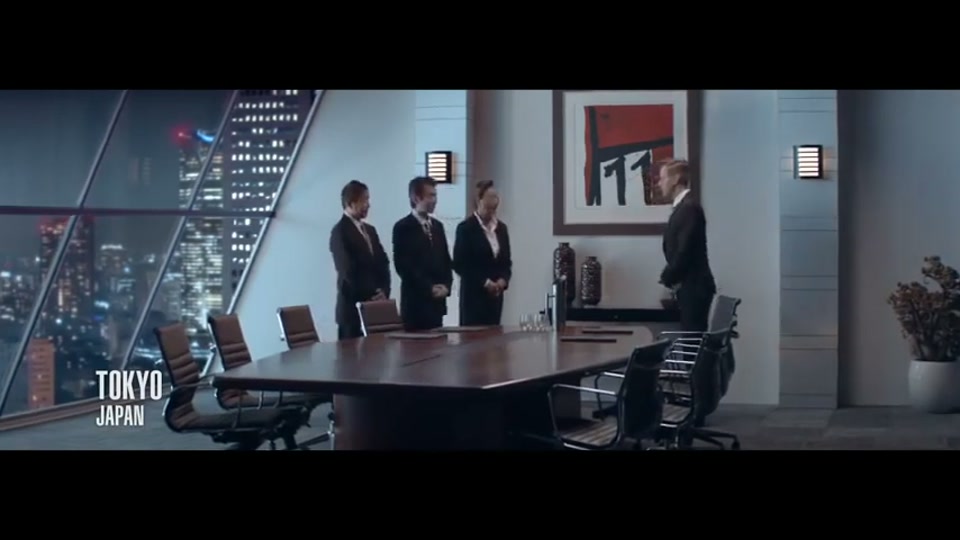
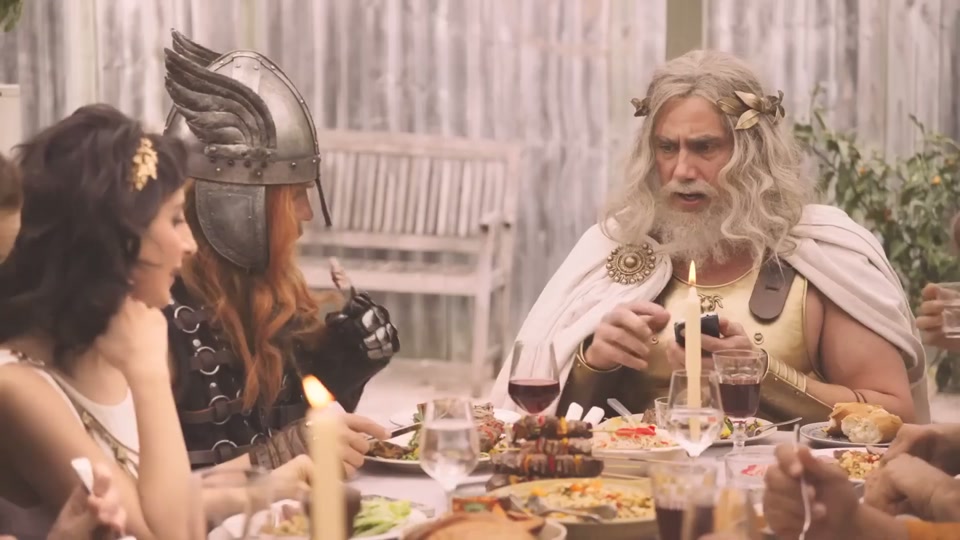
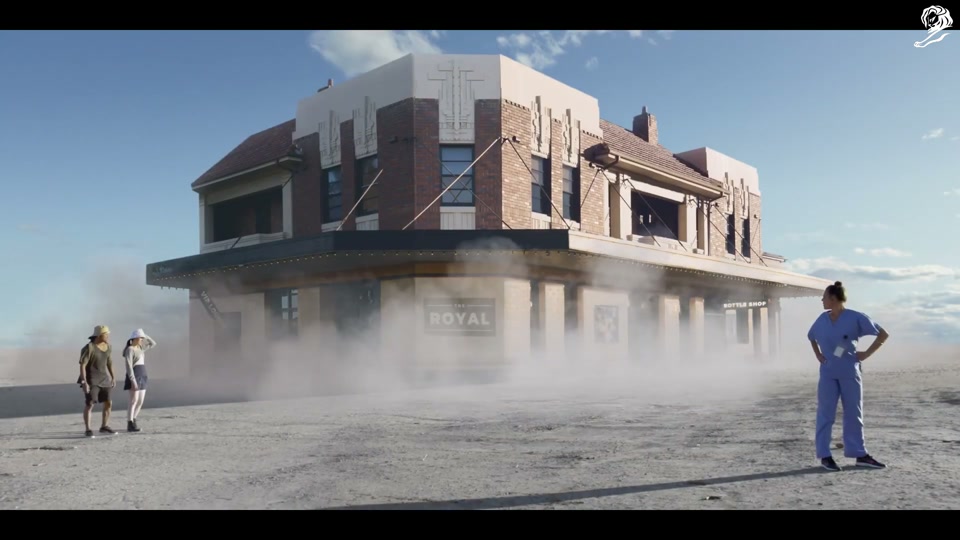
Anglo-Australian identity is dominant in every era; Sam Kekovich’s persona is explicitly Anglo-Australian and male, and the 2015 Richie’s BBQ pantheon of historical figures is Anglo-Australian. Multiculturalism is first only verbal — 2006’s “invite everyone over; if you can’t pronounce their name, just call them ‘mate’” — and only becomes visual from around 2015. 2016’s Operation Boomerang casts Lee Lin Chin as the commanding lead, a significant practical inclusion, and 2017’s Gods stages the campaign’s most ambitious vision of global multiculturalism. By 2018’s Lamb Side Story onward, diverse ensembles read as a default rather than a statement.
The sources preserve two tensions rather than resolving them. The first is the vegan and vegetarian exclusion — the campaign’s most persistent exclusionary joke. In 2005 vegetarians are told to “get stuffed”; in 2016 the vegan is literally left behind by the mission; and although 2023’s Un-Australian welcomes all exiles back in principle, the vegan is never formally welcomed back in the corpus.
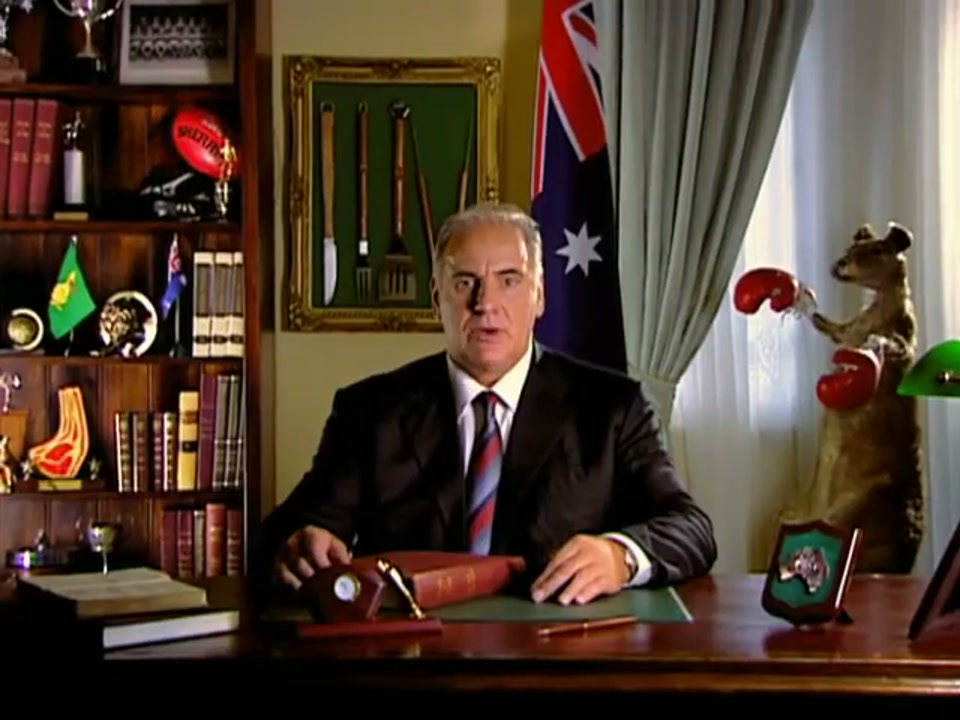
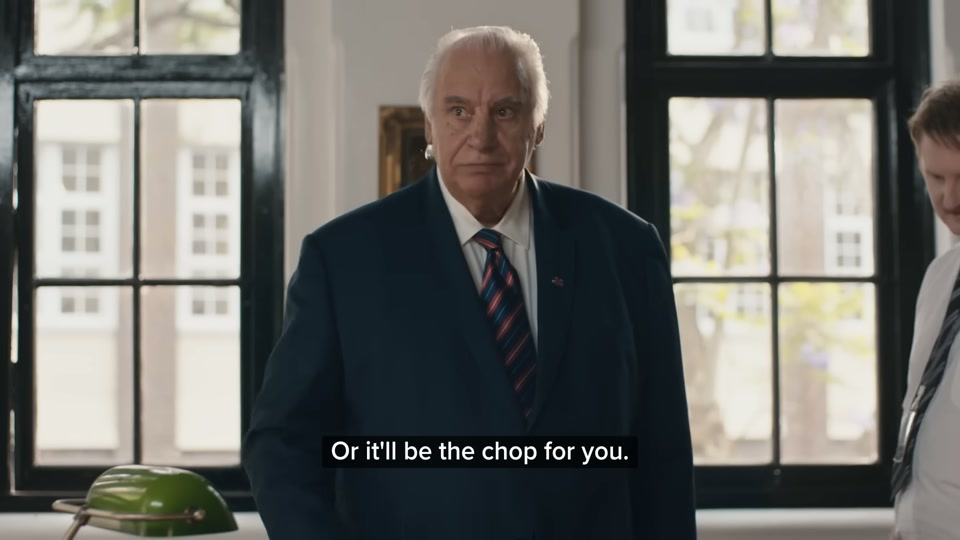
The second, and the most significant, is the First Nations gap. No advertisement in the 22-year corpus includes First Nations people as protagonists or primary characters. 2026’s Happiness Index is the first to display the Aboriginal and Torres Strait Islander flags in Kekovich’s office and to reference “the world’s oldest living continuous cultures” — but as a competitive talking point in a happiness audit, framed with jingoistic humour, rather than as a centred representation. The analysis calls this the campaign’s most significant ongoing unresolved gap, and cautions that a tokenistic appearance would be worse than the absence.
Genuine narrative agency, the sources note, has mostly gone to Anglo-Australian characters, with 2016’s Lee Lin Chin and 2018’s barbecue woman as notable exceptions. This uneven arc connects directly to the campaign’s contested national identity and its nostalgia-versus-evolution tension.
Advertisements (8)
- 2005 Un-Australianism
- 2014 Generation Lamb
- 2016 Operation Boomerang
- 2023 Un-Australian
- 2026 Happiness Index