Un-Australian
2023The advertisement satirises "cancel culture" and debates around Australian identity. It begins with individuals being publicly shamed and magically banished for committing minor, supposedly "Un-Australian" social transgressions. These exiles find themselves in a barren wasteland, a surreal "Un-Australia." As more people arrive, they confess their trivial "sins," such as eating a meat pie with a knife and fork or not knowing the lyrics to a classic song.
The turning point comes when the aroma of a lamb barbecue, started by an exiled character, unites the outcasts. This single act of communion transforms the desolate landscape into a vibrant, diverse, and inclusive community. The ad culminates with the realisation that these individual quirks and differences are what truly constitute Australian identity, with the final message being that lamb brings everyone together, regardless of how "Un-Australian" they might seem.
Watch the advertisement
Historical and topical context
Campaign year: 2023 Assumed or known release period: January 2023 Primary context year: 2022 Likely topical context window: July 2022 to January 2023 Confidence in those dates: High
The ad directly engages with the dominant cultural conversation of 2022 surrounding "cancel culture," identity politics, and social media dogpiling. The national mood was one of fatigue with division, following years of COVID-related fragmentation and increasingly polarized online discourse.
Reference: "Cancel Culture" / Public Shaming. Evidence in the ad: The entire premise of people being instantly vanished for saying or doing the "wrong" thing. The use of the word "Un-Australian" as a weapon of condemnation. Likely relevance at release: This was a peak topic in media and politics throughout 2022. The ad satirises the low stakes of many of these "cancellations" by contrasting them with extreme consequences. Confidence: High External verification needed: No
Reference: Australian athlete controversies. Evidence in the ad: The newspaper headline "AUSSIE ATHLETE EXPRESSES OPINION." Likely relevance at release: 2022 saw several high-profile sporting controversies where athletes' or administrators' personal or religious views clashed with club or public expectations (e.g., the "Manly seven" pride jersey boycott, the appointment and swift resignation of Andrew Thorburn as Essendon CEO). The ad uses this as a clear topical touchstone. Confidence: High External verification needed: No
Reference: Cost of Living pressures. Evidence in the ad: The line "Charged him a dollar for tomato sauce." Likely relevance at release: Inflation and the cost of living were major news stories and sources of public anxiety in 2022. While a minor point, this line taps into a general feeling of being "ripped off" that was highly relatable at the time. Confidence: Medium External verification needed: No
Campaign meaning
Creative premise
The advertisement uses a dystopian fantasy to satirise the concept of "cancel culture." It imagines a world where anyone deemed "Un-Australian" for trivial reasons is exiled to a barren wasteland, only for these outcasts to form a new, more vibrant and inclusive society—the "real" Australia—unified by the shared ritual of a lamb barbecue.
Message
Explicit message:
- "Share the Lamb. 100% Australian."
- "Guess that's what makes us Australian" (in reference to everyone being a bit "Un-Australian").
Strongly implied message:
- A national identity based on rigid purity tests and exclusion is self-defeating and will lead to an empty, miserable society.
- Australia's true strength and identity lie in its diversity, tolerance of quirks, and the ability to unite over shared, simple pleasures like a barbecue.
- We should be less judgmental and quicker to find common ground.
Tentative interpretation:
- The ad subtly critiques both the "woke" left (for a perceived over-eagerness to "cancel") and the conservative right (for a perceived rigid, exclusionary definition of "Australianness"). It positions lamb as the sensible, unifying centre.
Role of lamb
Lamb is the catalyst for redemption and community. It is not just food; it is a secular sacrament. Its aroma is powerful enough to literally create a new society out of a wasteland. Eating lamb together is the ultimate act of inclusion that resolves the central conflict of the film, proving that sharing lamb is the most "Australian" act of all, capable of uniting all the "Un-Australians."
Worldview evidence
Inclusivity and Diversity are the true Australian values.
Classification: Strongly implied Evidence: The final scenes contrast a barren, monocultural "Australia" with a thriving, multicultural "Un-Australia." The ultimate moral is that our differences are what make the nation. Meaning at release: A direct rebuttal to the divisive nature of culture wars, arguing for a more tolerant and expansive definition of national identity.
The BBQ is a sacred unifying ritual.
Classification: Strongly implied Evidence: The turning point of the entire ad is the introduction of a lamb BBQ, which transforms a desolate punishment zone into a utopia. Meaning at release: Reinforces a long-standing Australian cultural trope that the barbecue is the great equaliser and social adhesive, a place where differences are set aside.
A rejection of rigid social policing.
Classification: Explicit / Strongly implied Evidence: The repeated, absurd "cancellation" of people for minor infractions and the final joyful embrace of the "Un-Australian" label. Meaning at release: A clear statement against the perceived excesses of cancel culture and a call for a more relaxed, "larrikin" acceptance of human imperfection.
Humour, tone and satire
- Tone: The tone is satirical, absurd, and ultimately optimistic and celebratory. It begins with dark, surreal humour and transitions into a warm, unifying conclusion.
- Principal joke mechanisms:
- Exaggeration: People instantly vanishing for minor social gaffes.
- Satire: Directly parodying "cancel culture" and debates over Australian identity.
- Cultural reference: Using shared knowledge of songs ('Khe Sanh'), foods (meat pies, beetroot on burgers), and social norms as punchlines.
- Self-reference: The fourth-wall-breaking joke about being "trapped in a European film, inside an ad."
- Targets of satire: The ad gently mocks anyone who takes themselves or the definition of "Australian" too seriously, whether they are social justice warriors, conservative gatekeepers, or just petty local adjudicators.
- Affectionate parody versus genuine criticism: The satire is overwhelmingly affectionate. It's not a bitter critique but a call for everyone to "lighten up." The people and behaviours being parodied are all recognisably part of the Australian tapestry.
Campaign evidence summary
Core message
A satirical rejection of "cancel culture" and rigid identity politics. The ad argues that Australia's true identity is found in its diversity and tolerance of quirks, and that the simple, shared ritual of a lamb barbecue is the ultimate unifying force that brings all "Un-Australians" together to form the real Australia.
Values supported by this ad
- Inclusivity and multiculturalism
- Tolerance
- A sense of humour about oneself
- The importance of community and communion
- A healthy skepticism of authority and social policing
Role of lamb
Lamb is the unifying symbol and the plot's central catalyst. It is the agent of transformation, turning a desolate exile into a thriving community and resolving the cultural divisions satirised by the ad.
Most important topical or historical elements
- The prevalent "cancel culture" discourse of 2022.
- High-profile controversies involving Australian athletes expressing personal opinions.
- Recognisable Australian cultural debates (e.g., 'Khe Sanh', meat pies, beetroot on burgers).
Uncertainties
The supplied TXT transcript contains numerous errors and should not be used as a sole source of truth. The dialogue had to be re-transcribed from the video for this analysis.
Themes and connections
This advertisement belongs to Era 5 — Social Fragmentation and Platform Critique.
Keyframe gallery
9 representative frames, in chronological order.
-
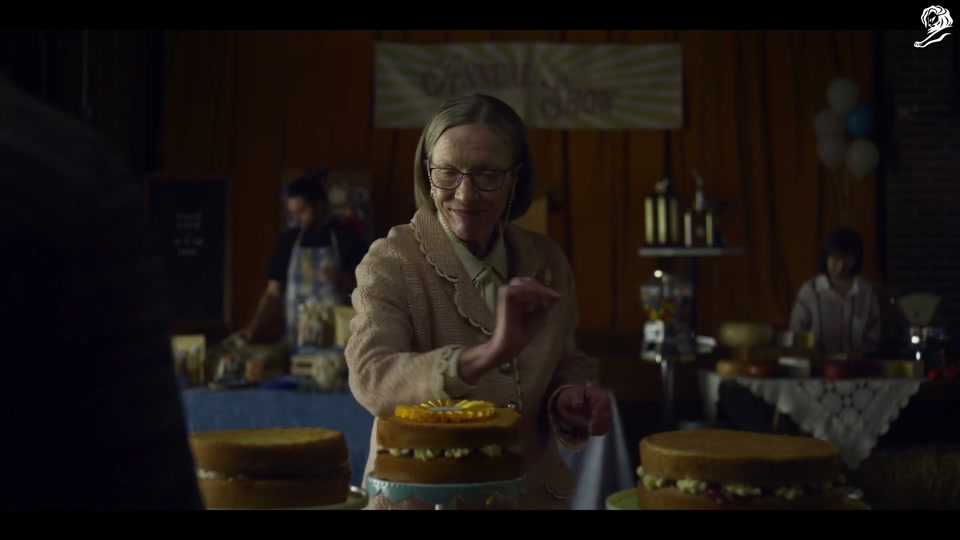
00:08 · opening The scene is a dimly lit community hall, set up for a baking competition at an "Annual Show." A stern, older female judge inspects several identical sponge cakes. She pins a first-place ribbon on one. -
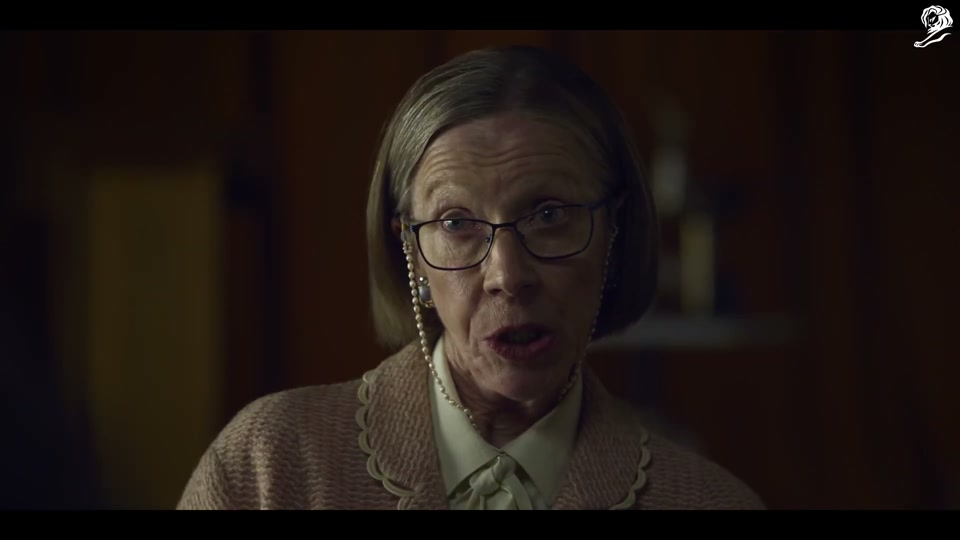
00:16 · opening The scene is a dimly lit community hall, set up for a baking competition at an "Annual Show." A stern, older female judge inspects several identical sponge cakes. She pins a first-place ribbon on one. -
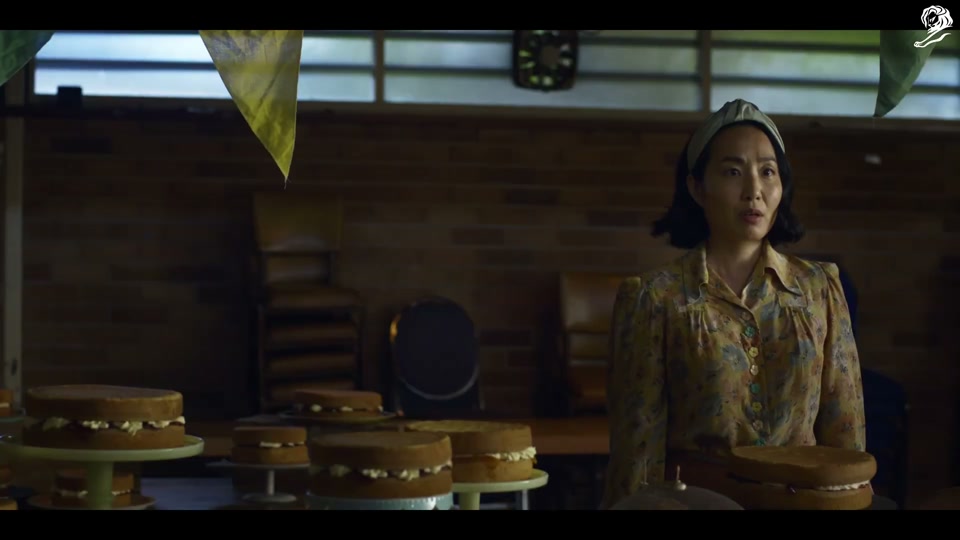
00:24 · opening The scene is a dimly lit community hall, set up for a baking competition at an "Annual Show." A stern, older female judge inspects several identical sponge cakes. She pins a first-place ribbon on one. -
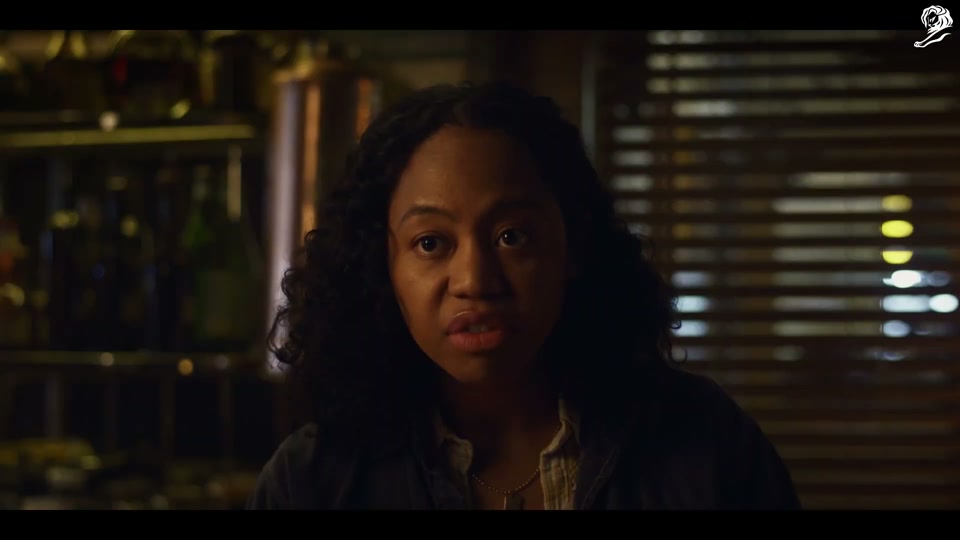
00:41 · standard The scene shifts to a classic, wood-panelled Australian pub. A series of patrons commit "Un-Australian" acts and vanish one by one. 1. A man cheats at pool by throwing the 8-ball into the pocket. -
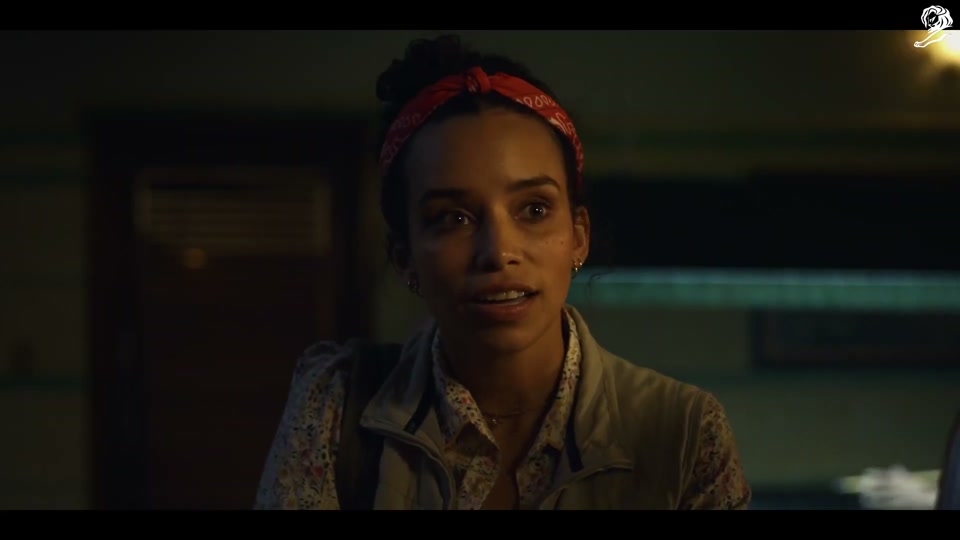
00:50 · standard The scene shifts to a classic, wood-panelled Australian pub. A series of patrons commit "Un-Australian" acts and vanish one by one. 1. A man cheats at pool by throwing the 8-ball into the pocket. -
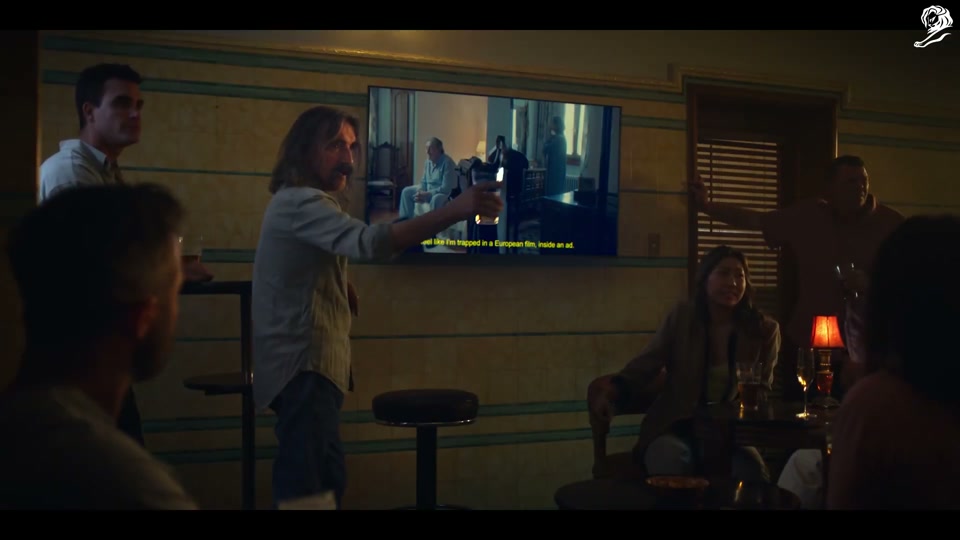
00:59 · standard The scene shifts to a classic, wood-panelled Australian pub. A series of patrons commit "Un-Australian" acts and vanish one by one. 1. A man cheats at pool by throwing the 8-ball into the pocket. -
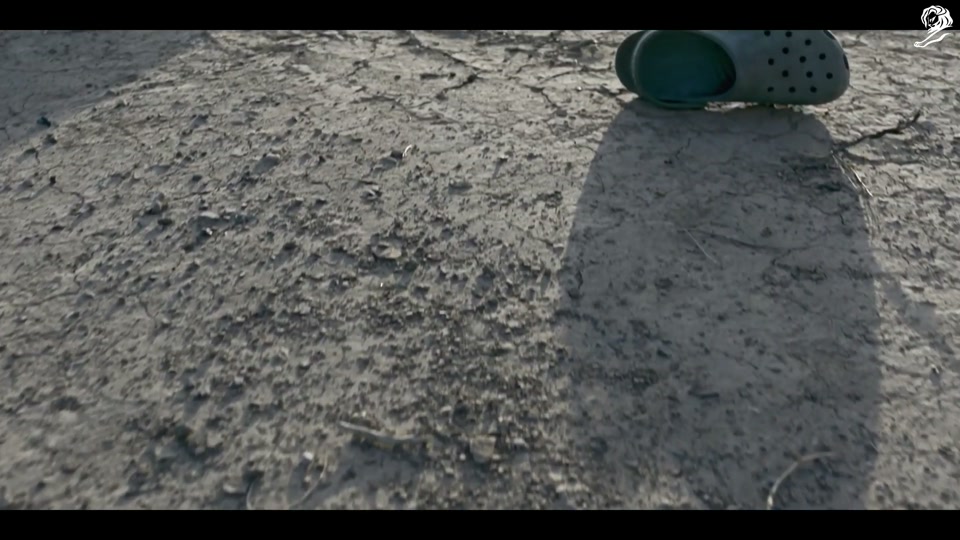
01:15 · standard A woman (the one who asked "Where do they go?") lands in a vast, desolate, sun-bleached desert landscape. This is "Un-Australia." She meets other exiles. -
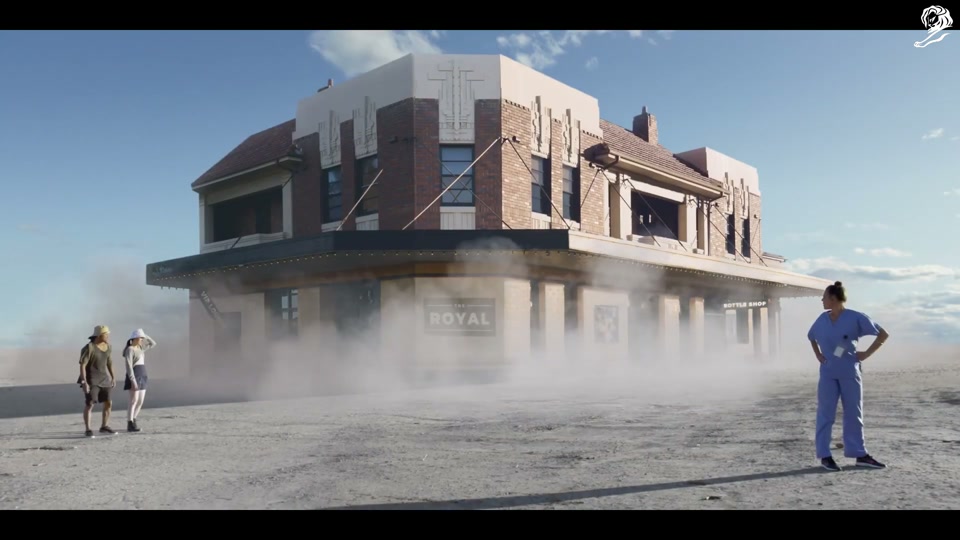
01:59 · reveal A plume of barbecue smoke appears in the distance. The camera reveals long-time lamb-ad figure Sam Kekovich, exiled himself, cooking lamb on a classic Weber kettle BBQ. The smell wafts towards the exiles. -
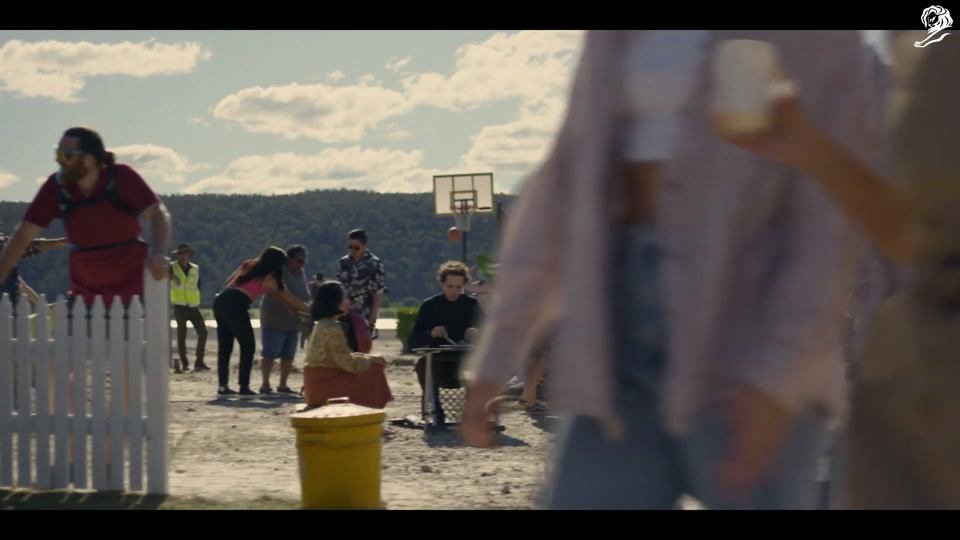
02:44 · brand frame The scene cuts to a dystopian, run-down version of "Australia," now populated by only a handful of people.
Scene-by-scene account
Show full scene breakdown
0:00–0:33
Visuals The scene is a dimly lit community hall, set up for a baking competition at an "Annual Show." A stern, older female judge inspects several identical sponge cakes. She pins a first-place ribbon on one. The winner, a man named Gerald, pumps his fist and whispers triumphantly. The judge immediately declares his boasting "Un-Australian," and he vanishes in a puff of black smoke. An Asian-Australian woman, Dorothy, accuses the now-disgraced Gerald of stealing her recipe. The judge declares her "dobbing" (tattling) to be "Un-Australian," and she too vanishes. Another woman in the crowd shouts that the judge is the one who is "Un-Australian," and the judge herself vanishes.
Dialogue and audio
- Gerald: "Yes! I'm the best!"
- Judge: "Congratulations, Gerald. But unfortunately, boasting is Un-Australian."
- [Sound effect: A sudden, magical 'whoosh' and a puff of smoke]
- Dorothy: [Gasps]
- Onlooker: [Gasps]
- Judge: "Dorothy?"
- Dorothy: "He stole my recipe!"
- Judge: "Dobbing is also very Un-Australian."
- [Sound effect: Whoosh and puff of smoke]
- Woman in crowd: "Hey lady, you're Un-Australian!"
- [Sound effect: Whoosh and puff of smoke]
On-screen text
- A banner in the background reads: "Annual Show".
- A sign on the table reads: "Category 3A Sponge Cake".
Meaning and context Directly observable: People are being made to disappear for breaking unwritten social rules: boasting, dobbing (informing on someone), and then calling out the accuser. The process is instantaneous and treated with shock by onlookers.
Likely interpretation at release: This is a direct satire of "cancel culture" and social media pile-ons, where individuals are swiftly condemned for perceived missteps. The ad absurdly equates minor social faux pas with a profound betrayal of national identity, highlighting the ridiculousness of such purity tests. The setting of a country show sponge cake competition is a parody of wholesome, traditional Australiana, which is then violently disrupted by the modern phenomenon of "cancellation."
0:33–1:08
Visuals The scene shifts to a classic, wood-panelled Australian pub. A series of patrons commit "Un-Australian" acts and vanish one by one.
- A man cheats at pool by throwing the 8-ball into the pocket. His opponent calls him "Un-Australian," and he's gone.
- A woman at the bar asks her friend about the strange disappearances. Her friend is exiled for drinking kombucha.
- Men are watching a subtitled European film on the pub TV. A patron yells "Subtitles? Un-Australian!" and the film-watchers vanish.
- The bar is now almost empty. The last remaining patron, an older man, complains he can't get a drink. He declares the whole pub "Un-Australian" and, in a fit of pique, vanishes himself, leaving the pub completely empty. The scene ends on an empty street where the pub used to be.
Dialogue and audio
- Pool player 1: "Cheating prick."
- Pool player 2: "Un-Australian."
- Woman at bar 1: "What's the deal with people in Australia? They just..." [makes a 'disappearing' gesture]
- Woman at bar 2: "There's a word..."
- Patron at bar: "Is that kombucha? Un-Australian!"
- Woman at bar 2: "...the worst thing you can ever call an Australian."
- Woman at bar 1: "Where do they go?"
- Woman at bar 2: "Oh, just an infinite cultural exile from which they can never return."
- Patron watching TV: "Subtitles? Un-Australian!"
- Older patron: "Right, now I can't get a drink. This whole bloody pub is Un-Australian! Oh, [unclear, sounds like 'for F...']"
On-screen text
- Subtitles on the TV screen: "I feel like I'm trapped in a European film, inside an ad." (This is a self-referential, fourth-wall-breaking joke).
- A newspaper on the ground has the headline: "AUSSIE ATHLETE EXPRESSES OPINION".
Meaning and context Directly observable: The list of "Un-Australian" activities expands to include cheating, drinking fashionable health drinks, and appreciating foreign culture. The absurdity escalates to the point where the entire institution of the pub is cancelled.
Likely interpretation at release: The scene continues its satire of cancel culture by targeting various stereotypes. The kombucha drinker represents the modern, urbanite "hipster," while the man decrying subtitles represents an older, more insular view of culture. The newspaper headline "AUSSIE ATHLETE EXPRESSES OPINION" is a direct nod to numerous controversies in 2022 where sports figures (like the Manly seven or Essendon's CEO) faced backlash for their personal beliefs. The scene suggests the criteria for being "Un-Australian" are becoming so broad and contradictory that no one is safe.
1:08–1:37
Visuals A woman (the one who asked "Where do they go?") lands in a vast, desolate, sun-bleached desert landscape. This is "Un-Australia." She meets other exiles. They confess their "crimes."
- A man in a black turtleneck holds a knife and fork.
- A man with a beard and a flannelette shirt looks downcast.
- An elderly woman appears. The four stand together, coughing in the dust.
Dialogue and audio
- Woman: "What are you here for?"
- Turtleneck Man: "Tried to eat a meat pie with these." [Holds up knife and fork]
- Bearded Man: [TXT says: "don't know the words to K San" / Audio clearly says: "Don't know the words to 'Khe Sanh'."]
- Elderly Woman: "Charged him a dollar for tomato sauce."
Meaning and context Directly observable: The exiles' "sins" are revealed to be violations of quintessential, informal Australian traditions: eating a meat pie with your hands, knowing the lyrics to a beloved pub-rock anthem, and the expectation of free sauce at a pie shop.
Likely interpretation at release: This section contains the most specific cultural references.
- Eating a meat pie with a knife and fork: Seen as pretentious and contrary to the practical, hands-on way it's typically eaten.
- 'Khe Sanh' by Cold Chisel: One of Australia's most iconic and unofficial national anthems. Not knowing the words is a classic trope for being "out of touch."
- Charging for tomato sauce: Often cited as a petty grievance, symbolic of businesses nickel-and-diming customers, which chafes against a cultural value of generosity or a "fair go." This may also have been a subtle nod to the rising cost-of-living pressures in 2022.
1:37–2:22
Visuals A plume of barbecue smoke appears in the distance. The camera reveals long-time lamb-ad figure Sam Kekovich, exiled himself, cooking lamb on a classic Weber kettle BBQ. The smell wafts towards the exiles. Drawn by the scent, they all begin running towards the BBQ. As they arrive, a classic Art Deco-style pub magically materializes from the dust. The desert is transforming into a lively community, with people laughing, sharing beers, and relaxing.
Dialogue and audio
- Bearded Man: "What is this? Where am I?"
- Woman and Bearded Man together: "Lamb! How's that Un-Australian?"
- Sam Kekovich: "All I said was, 'Bon appétit!'"
- [Uplifting, orchestral music begins]
- Waiter: "It's zero-alcohol."
- Woman: "Still free beer, though."
Meaning and context Directly observable: The act of cooking and sharing lamb is the catalyst that transforms the wasteland into a community. It is presented as an inherently positive, unifying force that transcends all the "Un-Australian" labels.
Likely interpretation at release: This is the core message of the ad. The lamb BBQ is the ultimate symbol of Australian inclusivity and communion. Even Sam Kekovich, the mock-jingoistic face of the campaign for years, is here for being "too fancy" (saying "Bon appétit"), showing that no one is immune but also everyone is welcome. The zero-alcohol beer joke is a nod to changing social habits and health consciousness, suggesting the new "Un-Australia" is modern and adaptable.
2:22–3:06
Visuals The scene cuts to a dystopian, run-down version of "Australia," now populated by only a handful of people. A sign reads "AUSTRALIA POPULATION 43." The few remaining people argue about what is "Un-Australian." One man, holding a lamb chop, points out that everyone is in exile having a great time at a lamb barbecue. Hearing this, the remaining few deliberately commit "Un-Australian" acts (cheering for a rival sports team, etc.) to get themselves exiled. The ad cuts back to "Un-Australia," which is now a massive, thriving, multicultural festival. Everyone who was exiled is there, happy and together. The final shot shows the three main exiles from the start (the sponge cake judge, the woman from the bar, and the 'Khe Sanh' man) sitting together on a hill, overlooking the vibrant new world they've built.
Dialogue and audio
- Man 1: "Bludging is Un-Australian."
- Man 2: "It's lazy, not Un-Australian."
- Man 1: "Yes it is!"
- Man 2: "No it's not!"
- Man with lamb chop: "'Bigs' out a barbecue... Everyone's there, mate."
- Man 1: "Is there a lamb barbecue happening in exile?"
- Remaining citizens yelling to get exiled: "Go the All Blacks!", "I'm a weak swimmer!", "Beetroot doesn't belong on a burger!"
- Man with lamb chop: [Points at the chaos with his chop] "Un-Australian."
- [Triumphant music swells]
- Bearded Man: "Looks like we're all a bit Un-Australian."
- Woman: "Guess that's what makes us Australian."
- Bearded Man: "How do we get back?"
- Woman: [Smiling] "Why would you want to?"
On-screen text
- Sign: "AUSTRALIA POPULATION 43"
- Sign: "NOTHING ELSE MATTRESS" (A pun on the slogan "Nothing else is a...").
- Sign: "BALI BUNGK BAN" (Likely a reference to calls to boycott Bali over various issues).
- End Card: "Share the Lamb. 100% AUSTRALIAN."
Meaning and context Directly observable: The ad resolves its conflict by showing that a nation defined by exclusion becomes an empty dystopia. In contrast, "Un-Australia," the place of exiles, becomes the true, vibrant Australia. The final moral is explicitly stated: being "a bit Un-Australian" is what actually "makes us Australian."
Likely interpretation at release: The climax celebrates diversity, tolerance, and a rejection of rigid identity politics. The list of final "sins" to get exiled are all classic, light-hearted points of Australian cultural debate (cheering for New Zealand's rugby team, putting beetroot on a burger). The message is that Australia is a broad church, and its real identity is found in embracing differences, not policing them. The unifying element that makes this possible is the shared ritual of a lamb barbecue.
Verification and uncertainties
- Source reconciliation: the analysis file notes the supplied brief referenced the 2021 'Make Lamb, Not Walls' ad, but the supplied video and transcript are the 2023 'Un-Australian' advertisement. The analysis (and this article) follow the supplied evidence, treating this as the 2023 ad.
- Uncertain dialogue: The older patron's final exclamation at 1:07 is muffled but sounds like an expletive ("Oh, for fuck's sake..."). This is unconfirmed.
- Likely TXT errors: The provided transcript was highly inaccurate, with major errors such as "K San" instead of "Khe Sanh" and merging of multiple speakers into single lines. It was unsuitable for direct use.
- Topical claims needing release-period research: The specific cultural resonance of "charging for tomato sauce" or "bludging" in 2022 could be further contextualised, though their general meaning is clear.
- Remembered background facts requiring external verification: This analysis identifies Sam Kekovich and Shane Dundas (of The Umbilical Brothers) by appearance. Formal identification would require external verification.
- Initial prompt discrepancy: The most significant issue was the mismatch between the requested analysis of the 2021 "Make Lamb, Not Walls" ad and the provided media for the 2023 "Un-Australian" ad. This analysis proceeded based on the media provided.