Larrikin anti-authoritarianism
The campaign consistently prefers informal community and common sense to pompous institutions, though its own commercial framing complicates the stance.
A larrikin suspicion of pomposity, formalism and authority disconnected from lived experience runs through every year of the campaign. Politicians, generals, auditors, bureaucrats and international bodies are consistently contrasted with the common sense of ordinary Australians and their communal rituals.
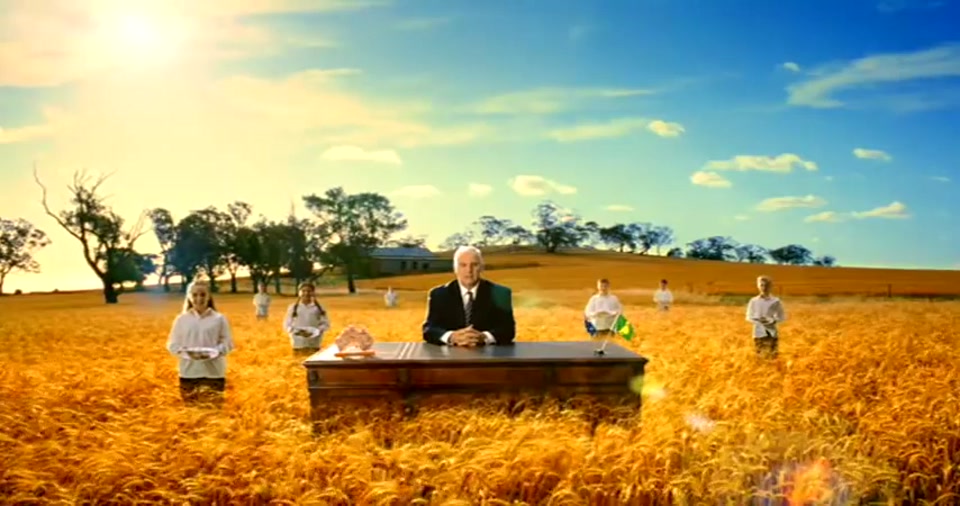
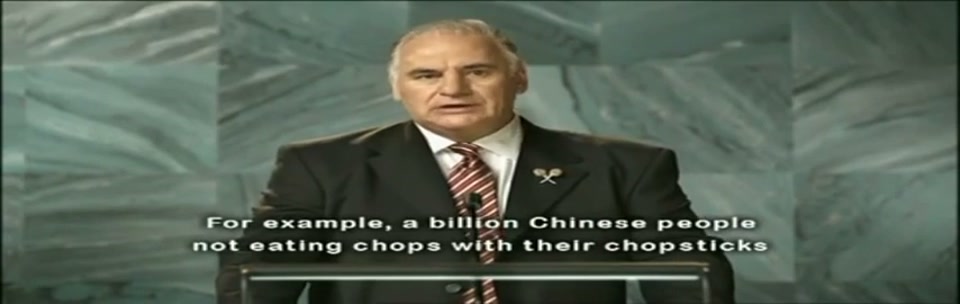
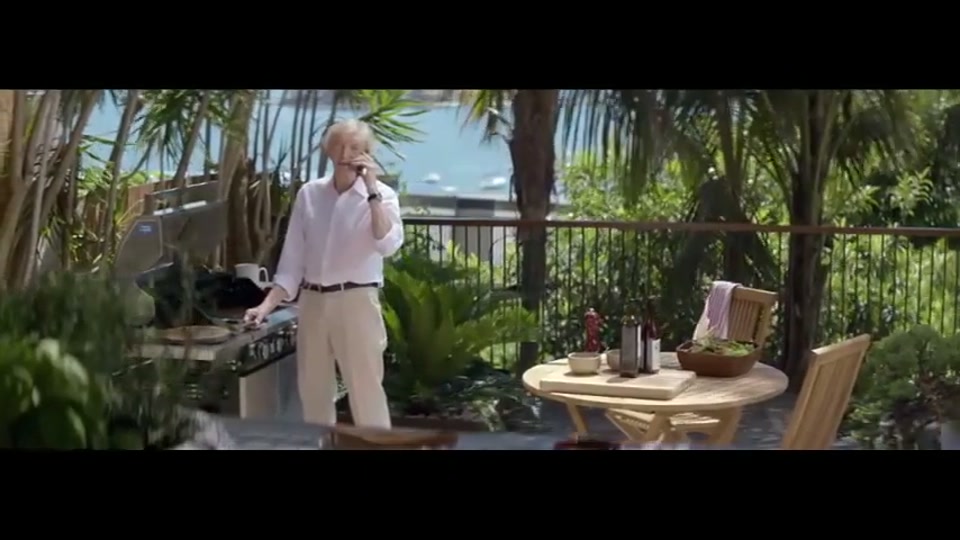
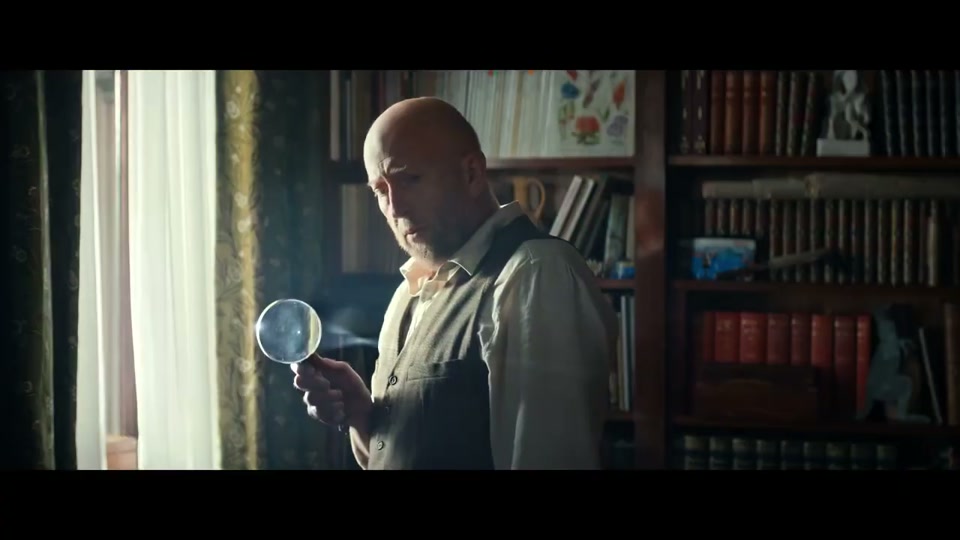
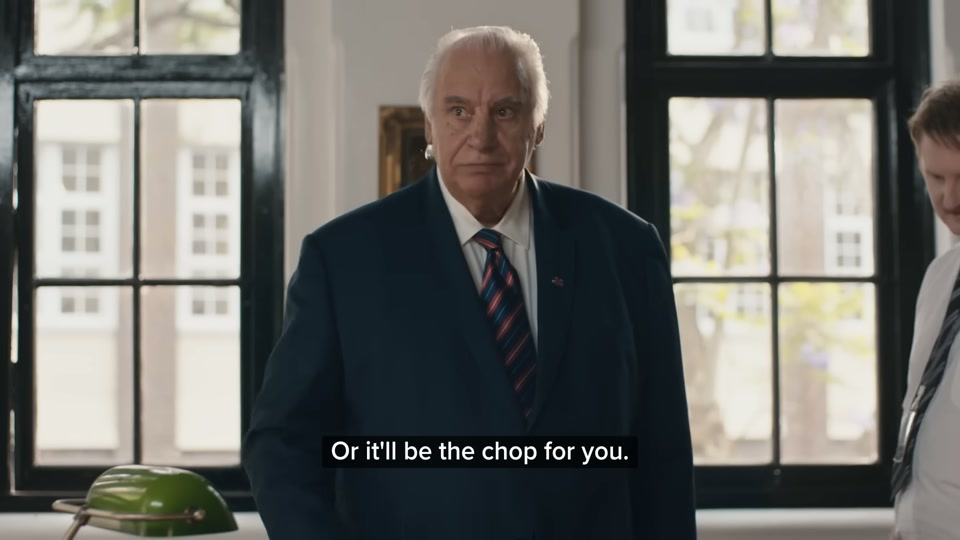
The evidence is broad. Sam Kekovich’s persona is itself anti-establishment; 2008’s Australia Day Address declares that “any boss that won’t let you [attend] is a bum.” 2009 mocks the financial elites blamed for the Global Financial Crisis, and 2010’s UN speech and 2011’s European tour satirise international institutions. In 2021’s Make Lamb Not Walls the grassroots uprising demolishes the state-border walls before the politicians arrive; in 2022’s The Lost Country of the Pacific a state premier becomes the final punchline; and in 2026’s Happiness Index stiff international auditors cannot understand what Australia actually is until they taste lamb.
The sources refine the principle with a cross-corpus interpretation: the point is not that authority always loses, but that formal systems are incomplete — they miss something essential that the barbecue supplies. An authority figure may be defeated, converted, humanised or simply revealed as insufficient. Formal measurement and institutional pomposity never possess the campaign’s deepest truth.
A genuine tension sits at the centre of this theme. The campaign is itself a product of institutional advertising for an industry body — an authority-backed commercial form. The anti-authoritarianism is performed within a corporate framework, and the “authority” being satirised is not actually in tension with the campaign’s sponsors. 2026 makes this vivid: the auditors are mocked, but the lamb chop that finally convinces them is an explicitly commercial product.
The tone ranges from affectionate mockery to pointed satire, and the sources caution that named real politicians carry partisan risk where generic archetypes do not. This suspicion of institutions is closely bound up with the campaign’s self-deprecation and its satire of government and bureaucracy.
Advertisements (10)
- 2021 Make Lamb Not Walls
- 2026 Happiness Index