Unite Australia and New Zealand
2019The advertisement opens in 1900, with Australia's first Prime Minister, Edmund Barton, confidently expecting New Zealand to join the Australian Federation. The scene then cuts to a modern-day government office 119 years later, where dejected Australian bureaucrats lament the nation's decline in sportsmanship and political stability. As a solution, they decide to finally unite with New Zealand, which they concede is "doing Australia better than Australia".
The two lead bureaucrats travel to the Tasman Sea, halfway between the two nations, to broker the deal with a pair of young New Zealanders. Floating in inflatable chairs, they use a barbecue of Australian Lamb as their primary negotiating tool. The Australians acknowledge their country's habit of claiming New Zealand's successes (like Phar Lap and the pavlova) and propose a merger to create "New Australialand". The ultimate trade is offered: Australia's prime lamb in exchange for New Zealand's popular Prime Minister, Jacinda Ardern. After a quick call to "Jacinda", the deal is accepted, and the scene erupts into a massive floating party, culminating in a satellite view of the two countries joined as a single, lamb-chop-shaped landmass.
Watch the advertisement
Historical and topical context
- Campaign year: 2020
- Assumed release period: January 2020
- Primary context year: 2019
- Likely topical context window: July 2019 to January 2020
- Confidence in those dates: High
The ad is deeply rooted in the Australian cultural and political climate of 2019.
Reference: The "revolving door" of Australian Prime Ministers. Evidence in the ad: The line "can't even hang on to a Prime Minister" and the visual gag of a worker constantly swapping the official portrait in the background (0:15-0:23, 2:03). Likely relevance at release: Australia had seen five different Prime Ministers in the decade leading up to 2019, creating a running national joke and international perception of political instability. The transition from Malcolm Turnbull to Scott Morrison in August 2018 was the most recent example. Confidence: High External verification needed: No
Reference: The 2018 Australian cricket ball-tampering scandal ("Sandpapergate"). Evidence in the ad: The line "cheating at sport" (0:16). Likely relevance at release: This event, which occurred in March 2018, was a major blow to the Australian national identity, which is heavily tied to the idea of fair play in sport. The shame was still culturally relevant in 2019. Confidence: High External verification needed: No
Reference: New Zealand Prime Minister Jacinda Ardern's high global standing. Evidence in the ad: The proposal to trade Australia's lamb for NZ's Prime Minister (1:38) and the need to "check with Jacinda" (1:46). Likely relevance at release: Throughout 2019, and particularly after her widely praised response to the Christchurch mosque shootings in March 2019, Jacinda Ardern was an internationally celebrated leader, often held up in Australian media as a model of effective and compassionate governance, in contrast to Australia's own leadership turmoil. She was arguably New Zealand's most famous and valuable "export". Confidence: High External verification needed: No
Reference: The "Change the Date" debate regarding Australia Day. Evidence in the ad: The lines "We could even have a New Australia Day... on a date we can all agree on" (1:31). Likely relevance at release: The debate over moving Australia Day from January 26, a date that marks the beginning of colonisation and is painful for many Indigenous Australians, was a significant and recurring social and political issue throughout the late 2010s. The ad lightly suggests a merged nation could solve this impasse. Confidence: High External verification needed: No
Reference: Trans-Tasman cultural "ownership" disputes. Evidence in the ad: The "STUFF WE STOLE FROM NEW ZEALAND" monument (1:28) featuring Phar Lap, pavlova, Crowded House, and Russell Crowe. The "underarm thing" (0:33). Likely relevance at release: These are classic, long-running jokes in the sibling rivalry between the two nations. They are perennial references rather than topical to 2019, but provide the cultural bedrock for the ad's premise. Confidence: High External verification needed: No
Campaign meaning
Creative premise
The ad proposes a satirical solution to Australia's perceived national malaise: a corporate-style merger with its more successful neighbour, New Zealand. It frames this geopolitical negotiation not as a political process, but as a casual social interaction brokered by the universally uniting power of a lamb barbecue, ultimately solving a 119-year-old historical question.
Message
Explicit message:
- Share the Lamb.
- Australian Lamb is 100% Australian.
Strongly implied message:
- Lamb has the power to bring people together, heal old wounds ("the underarm"), and solve even the most intractable problems.
- Australia and New Zealand share a deep, intertwined culture and should be united.
- A good-natured barbecue is the quintessential Australian way to solve any problem.
- Australia should humbly acknowledge New Zealand's successes.
Tentative interpretation:
- Australia is in a period of self-doubt, and a dose of New Zealand's perceived wholesomeness and competent leadership would be beneficial.
- A new, more inclusive national identity, free from historical baggage (like the Australia Day date), is desirable.
Role of lamb
Lamb functions as the central catalyst and hero of the story. It is:
- The Diplomatic Tool: The "peace offering" used to initiate talks.
- The Symbol of Unity: Its aroma is "the smell of unity".
- The Ultimate Bartering Chip: It is Australia's greatest asset, valuable enough to be traded for a popular Prime Minister.
- The Final Form: The united nation of "New Australialand" is physically shaped like a lamb chop, signifying that lamb is the very foundation of this new national project.
Worldview evidence
[The barbecue as the ultimate social and political tool]
Classification: Strongly implied Evidence: 0:46 - The entire central premise of conducting a diplomatic merger over a floating barbecue. Meaning at release: This reflects a core belief in Australian culture that a casual, informal gathering, particularly a barbecue, can break down barriers and solve problems far more effectively than formal processes.
[Self-deprecating national identity]
Classification: Explicit / Strongly implied Evidence: The lines "we've lost the plot, cheating at sport, can't even hang on to a Prime Minister" (0:15) and "New Zealand is doing Australia better than Australia" (1:05). The "Stuff we stole" monument (1:28). Meaning at release: The ad portrays an Australia that is comfortable, and even finds humour, in admitting its own flaws and insecurities. This self-deprecation is a key feature of Australian humour and a way of building rapport.
[A sibling rivalry with New Zealand]
Classification: Explicit Evidence: The entire plot, specifically the "underarm thing" (0:33), the "stuff we stole" monument, and the friendly banter. Meaning at release: The relationship is defined by shared history, mutual claims on cultural icons, and long-held petty grievances, akin to a family rivalry that is ultimately affectionate.
[Cynicism towards politics, admiration for leadership]
Classification: Strongly implied Evidence: The contrast between the dismissive joke about Australia's interchangeable Prime Ministers (0:16) and the reverential treatment of New Zealand's "Jacinda" as a prized asset (1:39, 1:46). Meaning at release: This suggests a frustration with the political process in Australia (instability, backstabbing) but a genuine desire for strong, stable, and admirable leadership, which they see embodied in a figure across the Tasman.
Humour, tone and satire
- Tone: The tone is satirical, self-deprecating, and ultimately warm and optimistic.
- Principal joke mechanisms:
- Contrast: Bureaucrats in suits on pool floats; grand political ideas discussed in a casual setting.
- Topical Satire: Direct references to "Sandpapergate," the "revolving door" of PMs, and the "Change the Date" debate.
- Exaggeration: The idea of a physical merger of countries and solving it with a BBQ.
- Visual Gags: The swapping portraits, the "Stuff we stole" monument, the final lamb-chop-shaped country.
- Targets of satire: Primarily, Australian cultural self-importance and political dysfunction. It gently satirises our own perception of being the "greatest country" while acknowledging our flaws.
- Affectionate parody versus genuine criticism: The satire is overwhelmingly affectionate. It's a loving critique from within, a way of saying "we know we're a bit of a mess, but we can laugh about it." The treatment of New Zealand is one of genuine (if playful) admiration.
Campaign evidence summary
Core message
This ad posits that sharing Australian Lamb is the ultimate act of unity, powerful enough to heal a century of trans-Tasman rivalry, solve Australia's political and cultural crises, and physically merge two nations into a better, more unified whole.
Values supported by this ad
- Humility and self-deprecation.
- The power of informal social rituals (the BBQ).
- Good-natured humour.
- Unity and mateship (extended to our Kiwi neighbours).
- A desire for stable and respectable leadership.
Role of lamb
Lamb is the hero of the narrative: a diplomatic tool, a symbol of unity, Australia's most valuable bargaining chip, and the literal foundation of the newly formed "New Australialand".
Most important topical or historical elements
- The historical proposal for New Zealand to join the Australian Federation.
- Australia's political instability ("revolving door" of PMs) in the 2010s.
- The 2018 cricket "Sandpapergate" scandal.
- The high public esteem of NZ Prime Minister Jacinda Ardern in 2019.
- The ongoing "Change the Date" debate surrounding Australia Day.
Uncertainties
The primary uncertainty is the exact historical detail of the 1900 offer to New Zealand, though the ad's premise relies on the general truth of the event rather than its precise legal specifics. The identities of the actors are not crucial to the meaning.
Themes and connections
This advertisement belongs to Era 3 — Platform Advertising and Social Debate.
Keyframe gallery
10 representative frames, in chronological order.
-
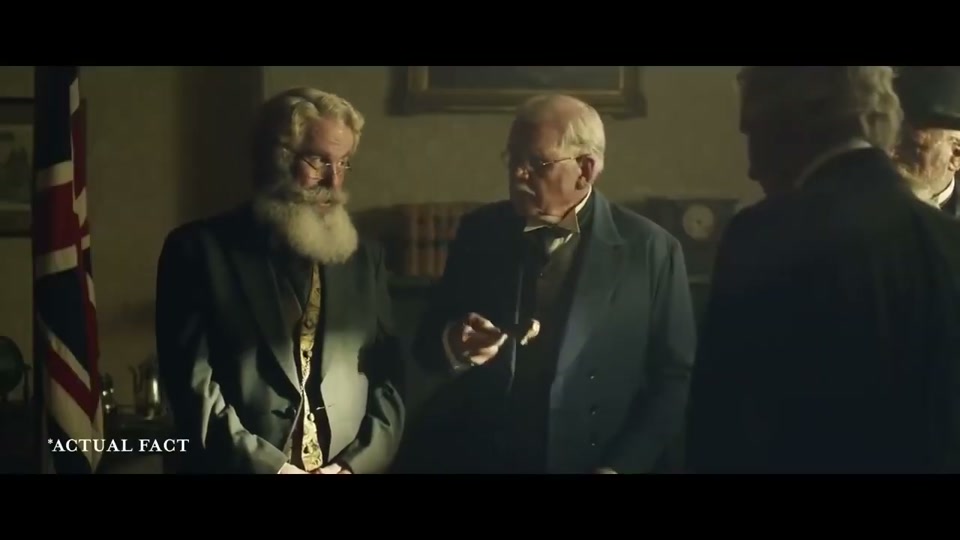
00:09 · opening A dimly lit, smoky room in a historical setting. Several men in early 20th-century suits are gathered around a large table. -
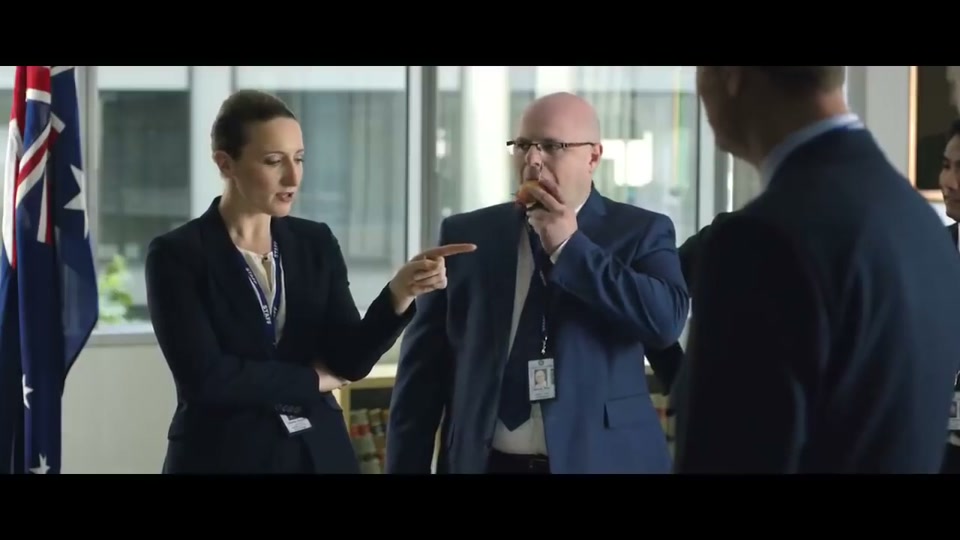
00:20 · standard The scene abruptly cuts to a bright, sterile, modern government office. A group of bureaucrats in contemporary suits stand around a table with a similar map. The lead bureaucrat, "Gary," laments Australia's state. -
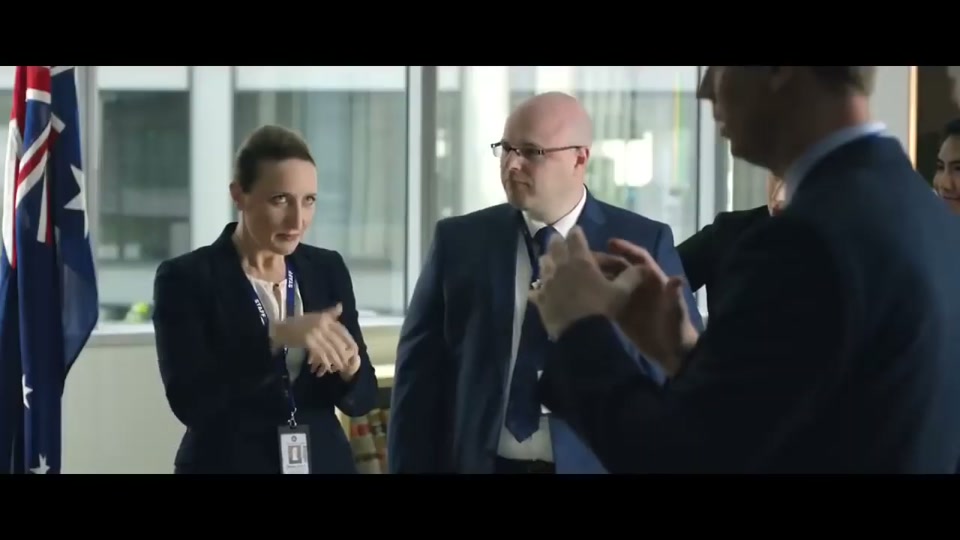
00:29 · standard The scene abruptly cuts to a bright, sterile, modern government office. A group of bureaucrats in contemporary suits stand around a table with a similar map. The lead bureaucrat, "Gary," laments Australia's state. -
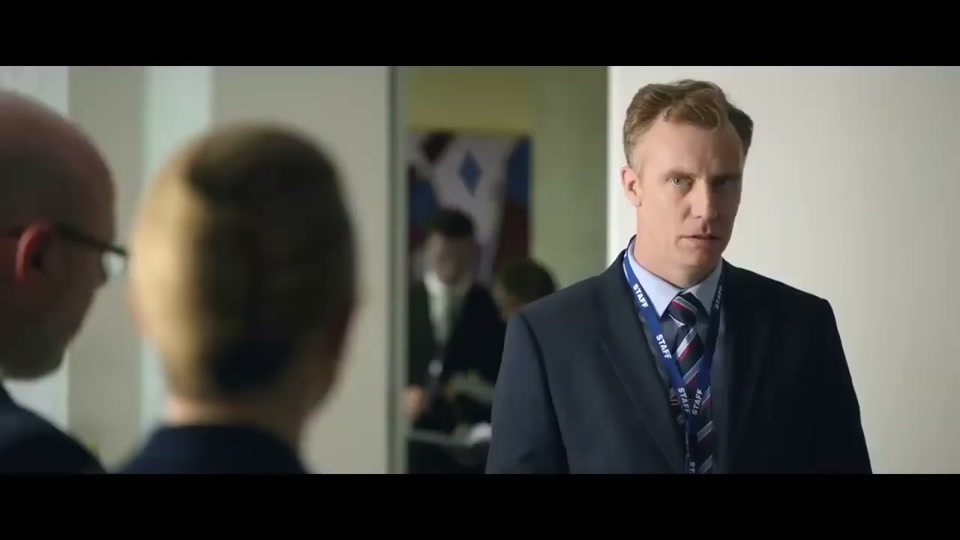
00:37 · standard The scene abruptly cuts to a bright, sterile, modern government office. A group of bureaucrats in contemporary suits stand around a table with a similar map. The lead bureaucrat, "Gary," laments Australia's state. -
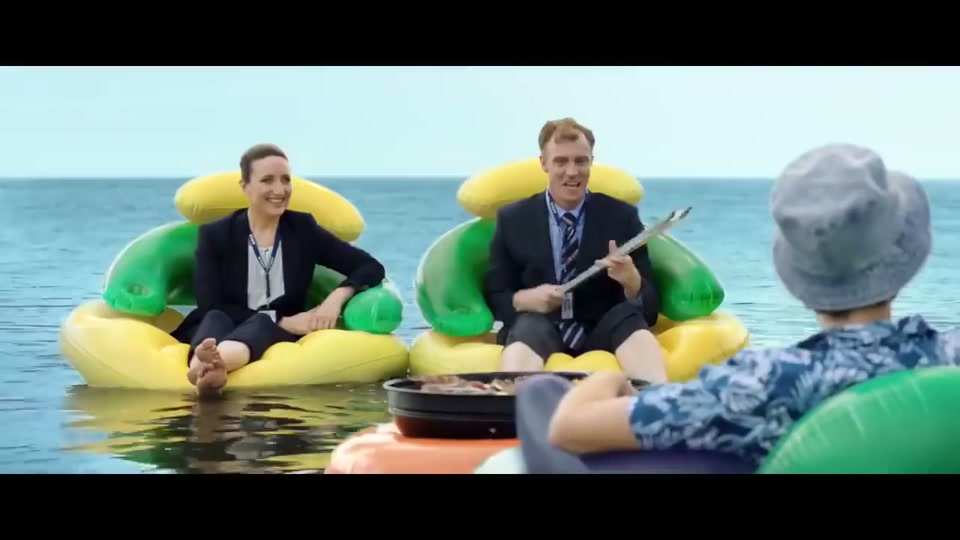
00:52 · food shot The scene shifts to the open ocean. A small charcoal barbecue on an orange inflatable ring floats on the water, sizzling with lamb chops and skewers. -
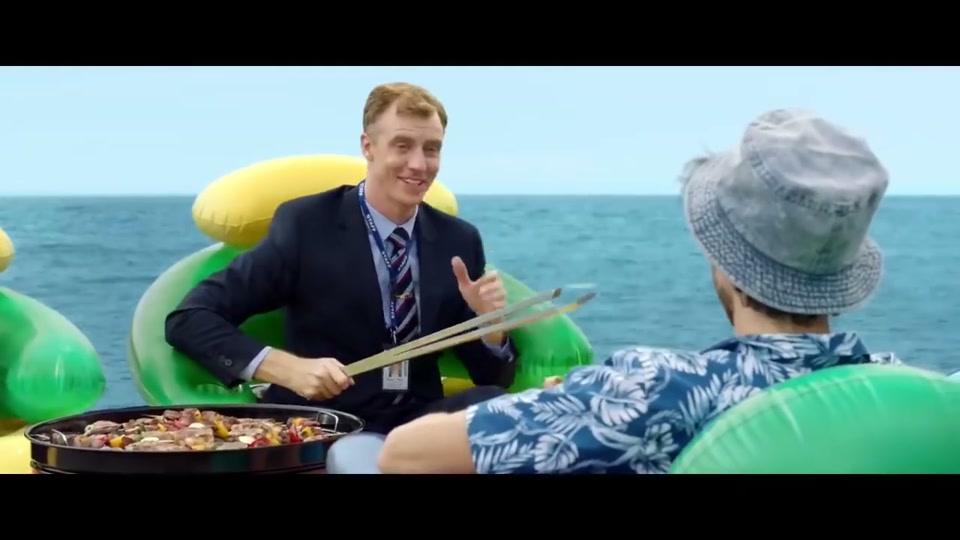
00:59 · food shot The scene shifts to the open ocean. A small charcoal barbecue on an orange inflatable ring floats on the water, sizzling with lamb chops and skewers. -
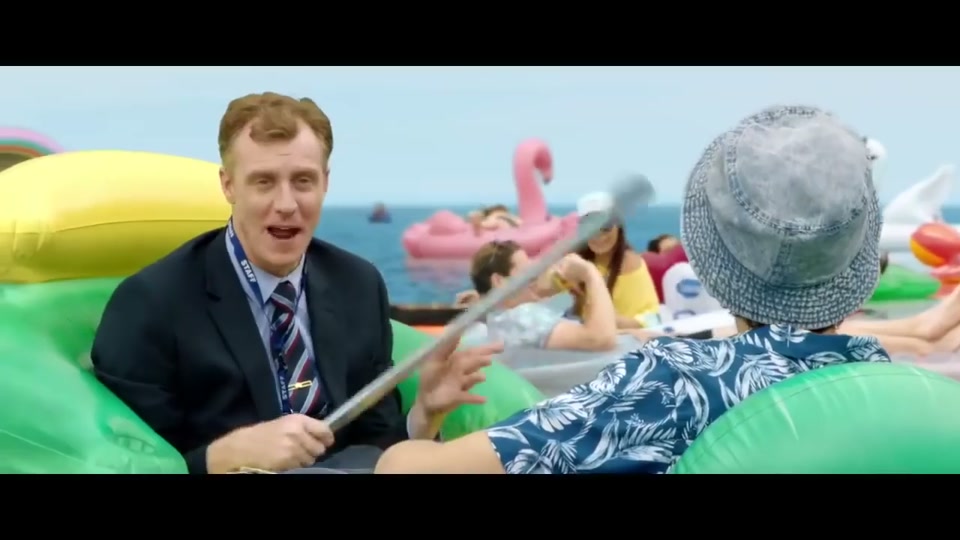
01:37 · reveal The Kiwis look unimpressed. As the negotiation continues, the camera reveals a large floating monument has appeared. It features a statue of the racehorse Phar Lap on a plinth labelled "STUFF WE STOLE FROM NEW ZEALAND". -

01:50 · brand frame The Kiwis confer, then decide to "check with Jacinda". The female bureaucrat dials a number on her smartphone. -

01:55 · brand frame The Kiwis confer, then decide to "check with Jacinda". The female bureaucrat dials a number on her smartphone. -
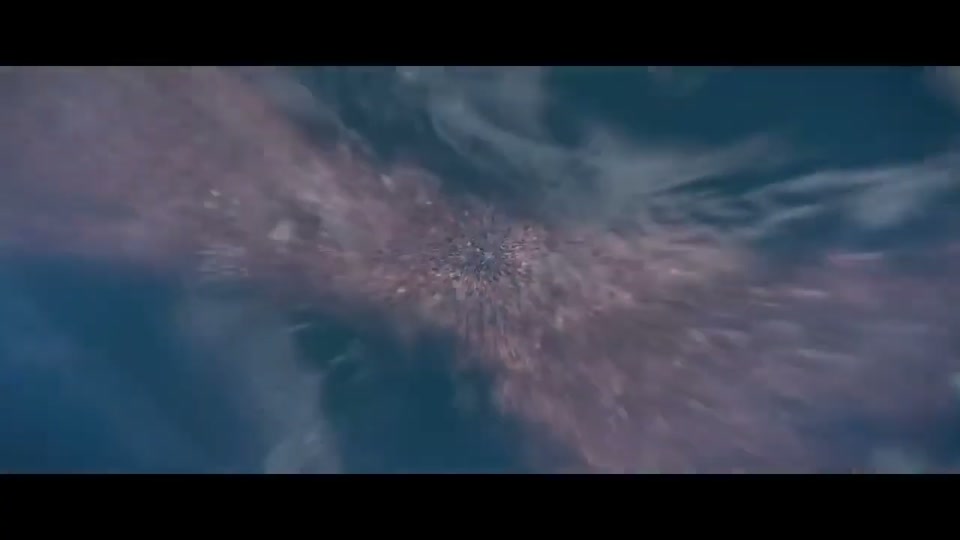
02:00 · brand frame The Kiwis confer, then decide to "check with Jacinda". The female bureaucrat dials a number on her smartphone.
Scene-by-scene account
Show full scene breakdown
00:00 - 00:12
Visuals
A dimly lit, smoky room in a historical setting. Several men in early 20th-century suits are gathered around a large table. One man, identified as Edmund Barton, points to a vintage map of Australasia, specifically at New Zealand. Another man hangs a portrait of Barton on the wall. The mood is serious and formal.
Dialogue and audio
Edmund Barton: Now, to Section Six of the Constitution. The states will be all these ones, this little one here, and New Zealand. Colleague: They just need to accept our offer. Edmund Barton: Which, of course, they will.
On-screen text
- 9TH JULY 1900 (bottom left)
- EDMUND BARTON - AUSTRALIA'S FIRST PM (bottom left, identifying the main speaker)
- *ACTUAL FACT (bottom left, appearing briefly as the colleague speaks)
Meaning and context
Directly observable: The ad begins with a dramatisation of a historical event on July 9th, 1900, where Australia's federation architects anticipated New Zealand joining as a state. The text explicitly labels the discussion of New Zealand's potential inclusion as an "actual fact".
Likely interpretation at release: This scene establishes the ad's core premise: a historical "what if" regarding the relationship between the two nations. The use of "*ACTUAL FACT" is a humorous device, grounding the subsequent absurd narrative in a surprising piece of trivia, suggesting the idea of union isn't entirely baseless.
Verification needed:
- The historical accuracy of New Zealand being included in Section 6 of the Australian Constitution draft and the offer for it to join the federation.
00:12 - 00:46
Visuals
The scene abruptly cuts to a bright, sterile, modern government office. A group of bureaucrats in contemporary suits stand around a table with a similar map. The lead bureaucrat, "Gary," laments Australia's state. In the background, a worker takes down a portrait of a former Prime Minister and hangs one of Scott Morrison. Another bureaucrat is eating a lamb-filled bread roll.
Dialogue and audio
Gary (lead bureaucrat): We used to be the greatest country on Earth. But we've lost the plot. Cheating at sport, can't even hang on to a Prime Minister. Female bureaucrat: There's only one obvious solution, don't you think? Bald bureaucrat (mouth full): I agree. Gary: What are you thinking? Female bureaucrat: We finally make New Zealand part of us. Gary: Genius. We create one nation. Female bureaucrat: We'll workshop another name. Gary: Wait. They hate us. Still haven't forgiven us for the whole underarm thing. I mean, how are we ever gonna convince them? Female bureaucrat: The way Australia solves everything, Gary. Lamb... and a Hemsworth. Gary: I don't think we can afford one of them. Female bureaucrat: Just lamb, then. Gary (pointing decisively): How about lamb?
On-screen text
- 119 years later (bottom left)
Meaning and context
Directly observable: A time jump of 119 years (to 2019) shows Australian officials concerned about the country's perceived decline, specifically mentioning sports cheating and political instability. The solution proposed is to merge with New Zealand. They acknowledge Kiwi animosity (the "underarm thing") and decide lamb is the key to diplomacy.
Likely interpretation at release: This scene is packed with topical satire relevant to 2019.
- "Cheating at sport": A clear reference to the 2018 cricket ball-tampering scandal ("Sandpapergate"), which damaged the national team's reputation.
- "Can't even hang on to a Prime Minister": A joke about Australia's recent political history of frequent leadership changes. The visual gag of swapping portraits (from a generic predecessor to the then-current PM, Scott Morrison) reinforces this.
- "Underarm thing": A long-standing reference to a controversial 1981 cricket incident that remains a sore point in trans-Tasman relations.
- "Lamb... and a Hemsworth": A joke about Australia's cultural exports and problem-solving methods: barbecues and celebrity power. The scene satirises a sense of Australian insecurity and decline, contrasting it with New Zealand's perceived stability and success.
Verification needed:
- The "underarm incident" of 1981.
- Australia's "revolving door" of Prime Ministers in the 2010s.
- The 2018 Australian cricket ball-tampering scandal.
00:46 - 1:13
Visuals
The scene shifts to the open ocean. A small charcoal barbecue on an orange inflatable ring floats on the water, sizzling with lamb chops and skewers. Two young men, stereotypically dressed as relaxed Kiwis, are lounging in their own inflatable chairs. The Australian bureaucrats, still in their full business suits, paddle into the frame in yellow and green inflatable chairs. Gary holds a pair of tongs like a sceptre.
Dialogue and audio
Kiwi 1: Mmm. That smells good, eh? Gary: That is the smell of unity, my antipodean friends. Kiwi 2: Where'd you come from? Gary: Australia. And we've got a proposition for you. Female bureaucrat: As we all know, Australia is the greatest country on Earth. But frankly, right now, New Zealand is doing Australia better than Australia. Gary: So we propose we unite to create... New Australia! (Dramatic orchestral music swells as Gary gestures grandly).
On-screen text
- Precisely halfway between Australia and New Zealand
Meaning and context
Directly observable: The Australian officials attempt to conduct international diplomacy with ordinary New Zealand citizens in the middle of the Tasman Sea. They use the aroma of barbecued lamb as an opening. They frankly admit New Zealand is outperforming Australia and propose a merger.
Likely interpretation at release: The humour comes from the absurdity of the scene: formal diplomacy conducted in a comically informal setting. The bureaucrats' business suits and serious demeanour clashing with the beach-leisure context is a key visual joke. Gary's line "the smell of unity" elevates lamb from a mere food to a quasi-magical, nation-building substance. The candid admission "New Zealand is doing Australia better than Australia" taps directly into 2019 comparisons between the two countries' leadership and social cohesion.
1:13 - 1:45
Visuals
The Kiwis look unimpressed. As the negotiation continues, the camera reveals a large floating monument has appeared. It features a statue of the racehorse Phar Lap on a plinth labelled "STUFF WE STOLE FROM NEW ZEALAND". Smaller plinths hold a pavlova, a claymation bird in a scarf (representing Crowded House), and another bird with a rose (representing actor Russell Crowe). The sea begins to fill with hundreds of other people on colourful, whimsical inflatables (flamingos, swans, palm trees).
Dialogue and audio
Kiwi 1: Name's a bit stink. Female bureaucrat: ...land? New Australialand? Kiwi 2: Sure, we got a rivalry that dates back to... Kiwi 1: Old Zealand? Kiwi 2: That's not a place. Gary: Think about it! We've got awesome stuff. You've got awesome stuff. And most of our awesome stuff is already yours! (Camera focuses on the "STUFF WE STOLE" monument). Gary: We could even have a New Australia Day. Female bureaucrat: On a date we can all agree on. (A nearby boat of people cheer). People on boat: Yeah! Finally! Gary: And best of all, you get to share our prime lamb. Female bureaucrat: And we can share your Prime Minister? Kiwi 2 (considering): Seems like a fair trade agreement. Female bureaucrat: So what do you say? We bridge the ditch and do this?
Meaning and context
Directly observable: The negotiation continues with a name change to "New Australialand". The Australians highlight shared culture, which the visual joke reveals are things Australia "stole" from New Zealand. The deal climaxes with an offer to trade Australia's "prime lamb" for New Zealand's "Prime Minister". The suggestion of a new, mutually agreeable "Australia Day" gets an enthusiastic response from onlookers.
Likely interpretation at release:
- "Stuff we stole": This is the ad's most explicit nod to the friendly but persistent cultural rivalry, humorously admitting Australia's tendency to claim Kiwi icons like Phar Lap, the pavlova, Crowded House, and Russell Crowe.
- "A date we can all agree on": This is a direct reference to the ongoing and often contentious public debate in Australia about changing the date of Australia Day (January 26th).
- "Share your Prime Minister": This is the central topical joke. In 2019, New Zealand's Prime Minister, Jacinda Ardern, had exceptionally high global and domestic approval, especially following her handling of the Christchurch mosque shootings. She was often contrasted favourably with Australia's political leadership. The ad playfully suggests she is New Zealand's most valuable asset, worthy of trading for Australia's own top commodity, lamb.
Verification needed:
- Contested origins of pavlova, Phar Lap's nationality, Crowded House and Russell Crowe's New Zealand roots.
- The status of the "Change the Date" debate in 2019.
- The public profile and approval ratings of Jacinda Ardern in 2019.
1:45 - 2:05
Visuals
The Kiwis confer, then decide to "check with Jacinda". The female bureaucrat dials a number on her smartphone. A young woman on a nearby float yells "Tell her to come join the party!" The scene explodes into a joyous, massive party on the water. Gary and his colleague clink their lamb chops together like a toast. The camera pulls out to a satellite view of Earth, showing Australia and New Zealand now physically joined by a land bridge that creates the shape of a lamb chop. A final visual gag shows the worker from the office asking "Standing by?" into his walkie-talkie, holding yet another portrait.
Dialogue and audio
Kiwi 1: I guess we better check with Jacinda first. Female bureaucrat: Sure. Do you have a number? Kiwi 2: Oh, yep. It's uh, 04... (The female bureaucrat's expression shows she recognises the Australian mobile prefix). Kiwi 2: Yeah, that's it. Woman on float: Tell her to come join the party! (Upbeat, triumphant music swells. Sounds of a huge party). Final On-screen text: Share the Lamb / 100% AUSTRALIAN (The music resolves into a grand, patriotic theme). Worker (into walkie-talkie): Standing by.
Meaning and context
Directly observable: The deal is contingent on approval from "Jacinda". The provided phone number has an Australian prefix, implying she's already "one of us". The agreement triggers a celebration. The ad concludes with the tagline "Share the Lamb" and a visual representation of the united countries.
Likely interpretation at release: The "04" phone number gag is a final, clever joke implying that Jacinda, like all the other "stolen" icons, is already culturally Australian. The final unification of the two countries into a lamb chop shape visually cements the idea that lamb is the force that brings people together. The final shot of the office worker ready to swap portraits again is a parting shot at the absurdity of political instability.
Verification and uncertainties
- The analysis file's internal metadata labels the campaign year as 2020; the archive filename (2019) is treated as canonical, following the master campaign analysis.
- This is the only advertisement in the corpus to directly reference the 'Change the Date' debate.
- Uncertain dialogue: None. Dialogue is clear.
- Likely TXT errors: None. Transcript was usable for cross-reference.
- Unclear on-screen text: None. All text is clear.
- Uncertain identities or references: The specific politician in the portrait being taken down is generic and unimportant, while the one being put up is clearly Scott Morrison.
- Topical claims needing release-period research:
- The "Actual Fact" of New Zealand's invitation to the Australian Federation.
- Remembered background facts requiring external verification:
- The specific details of the 1981 "underarm" cricket incident.
- The specific cultural ownership debates over pavlova, Phar Lap, etc. to confirm their status as well-known points of friendly contention.