Topical reference density
Packing each ad with as many references to the previous year's events as possible, creating the feeling that this is about right now.
Topical reference density is the technique of packing an advertisement with as many identifiable references to the preceding year’s events, scandals and cultural moments as possible, creating a feeling that the ad is about right now.
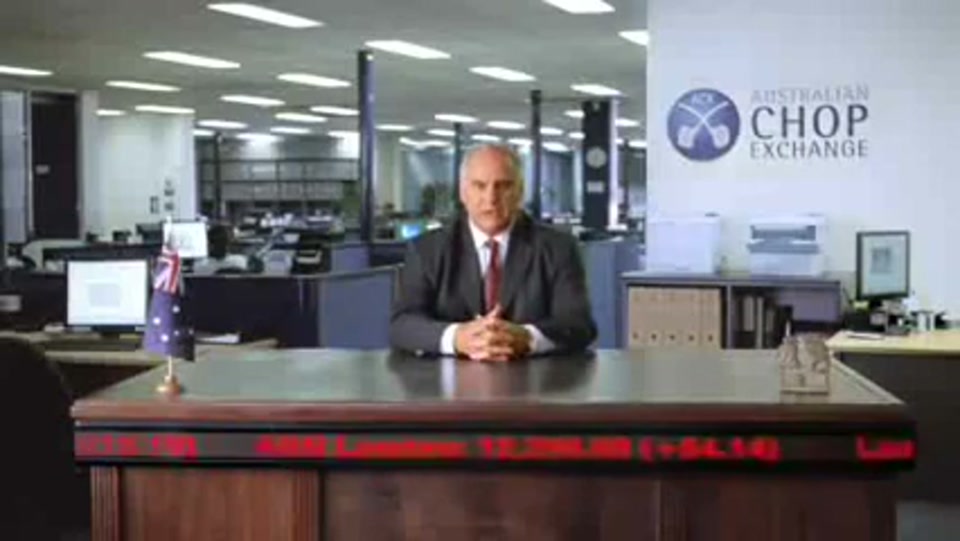
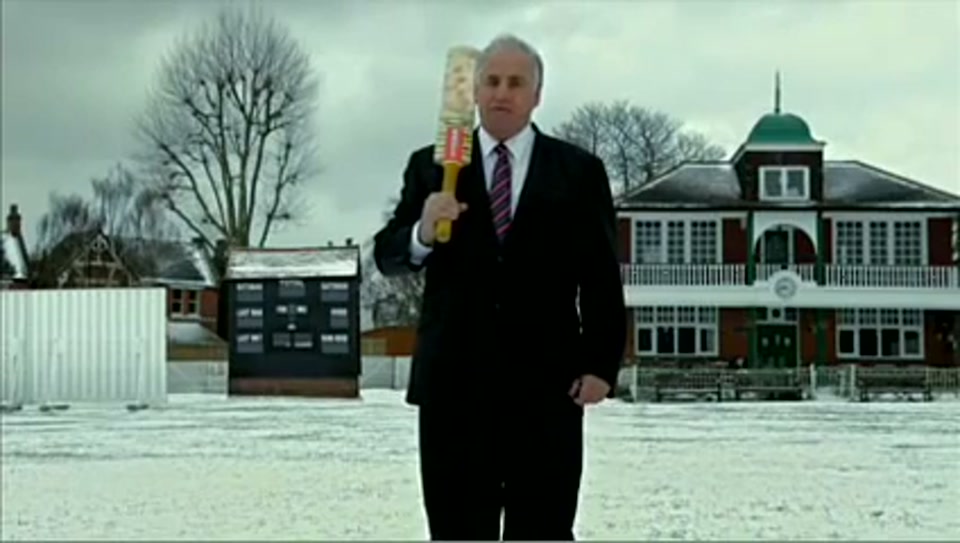
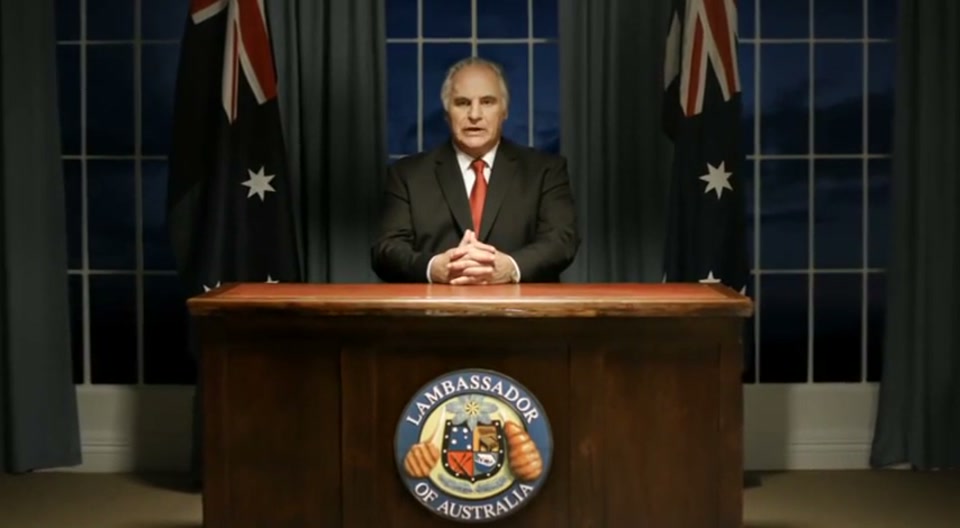
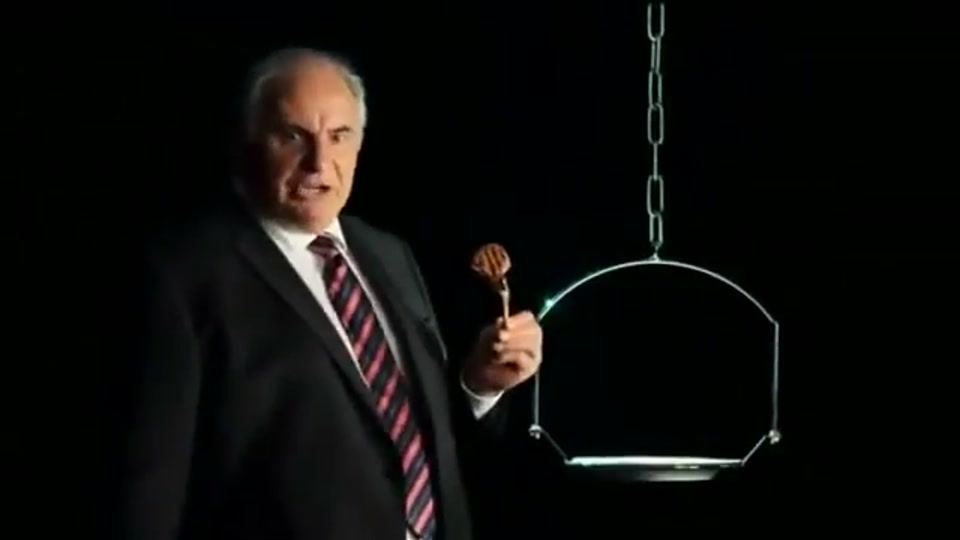
It works by turning each address into an annual cultural recap — national scandals, sporting failures, celebrity embarrassments, global events — delivered as though the Lambassador is always watching and cataloguing the past year. The actual satirical target is the tendency of Australian public life to be consumed with trivial celebrity and media events.
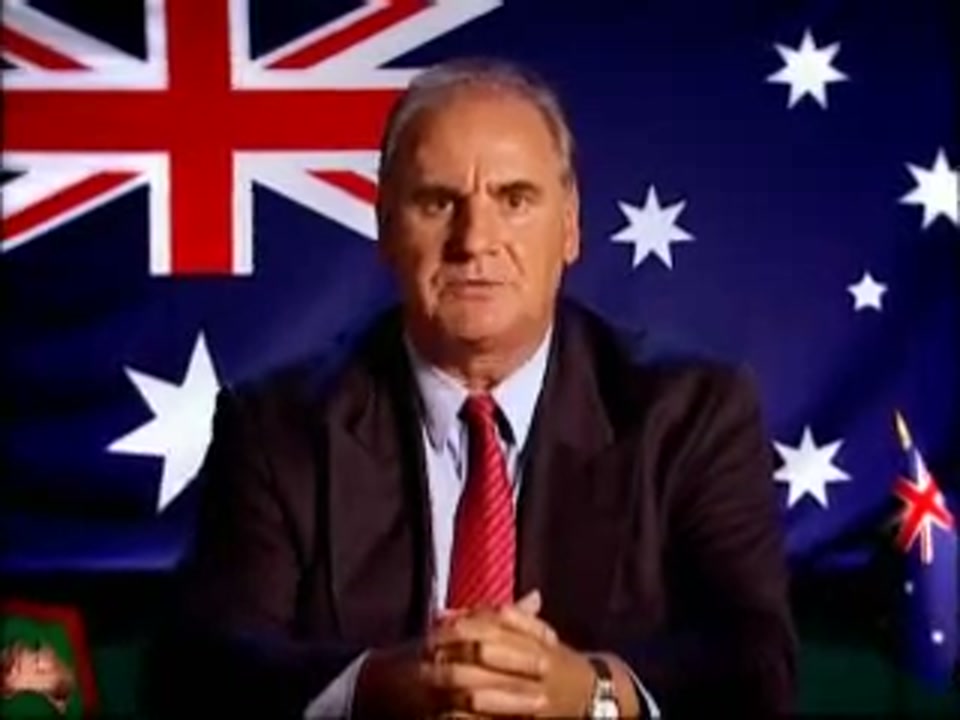
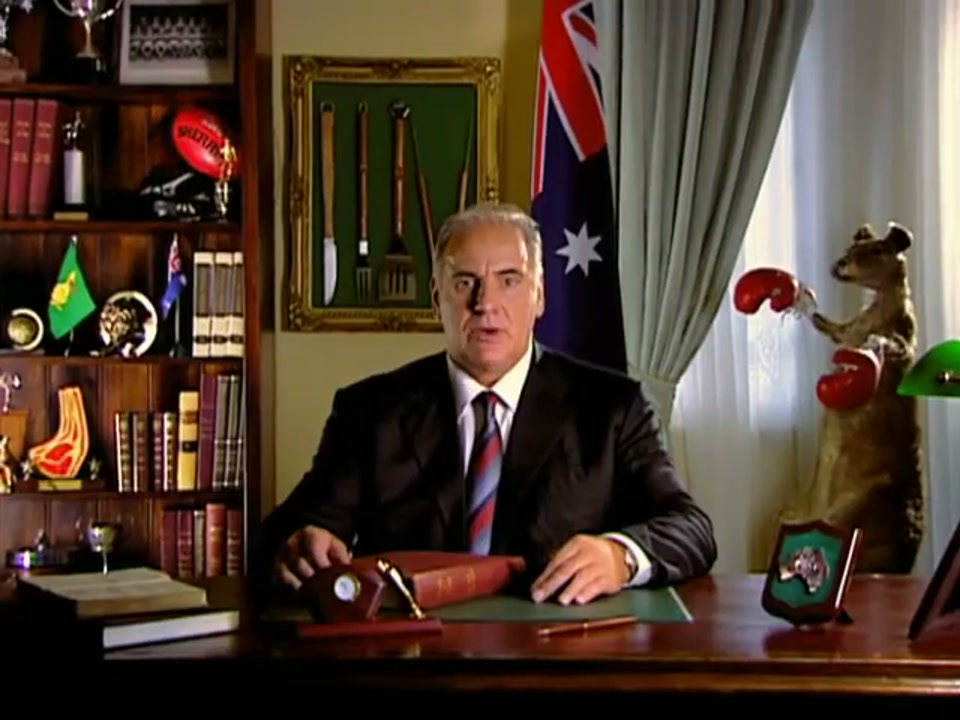
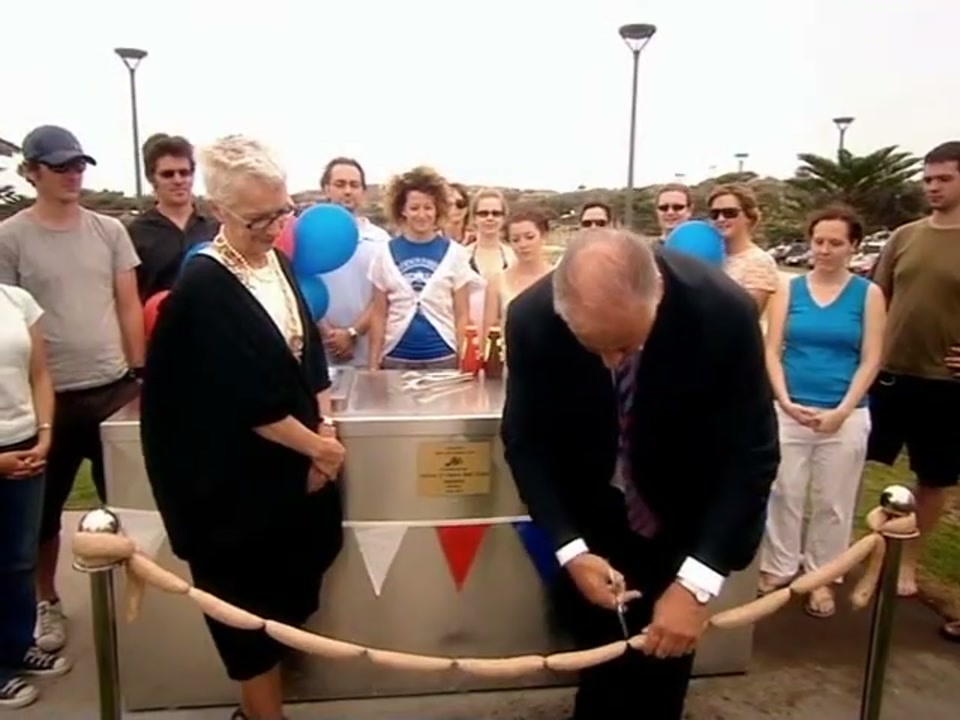
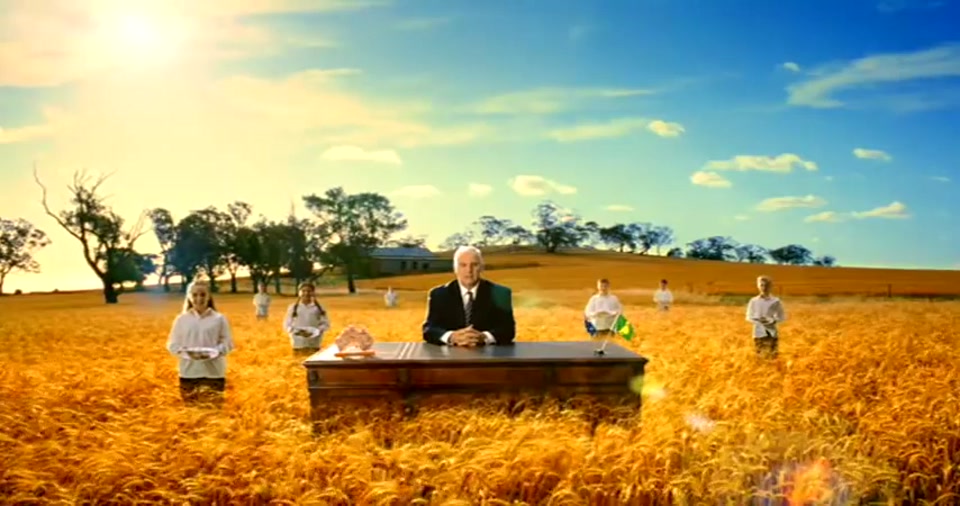
The representative years are 2006 (Schapelle Corby, Shane Warne, beach-violence anxieties), 2011 (the Eyjafjallajökull ash cloud, Mel Gibson, BP, Australia’s Next Top Model) and 2013 (Lance Armstrong, Gangnam Style, The Voice). The device is a signature of the Kekovich era, where Sam Kekovich’s monologues functioned as yearly recaps, and it overlaps with the campaign’s satire of social media and digital life as viral phenomena entered the reference set.
What makes it recognisably this campaign is exactly that sense of a narrator who has been paying attention all year and has opinions about all of it.
The sources flag the central risk: references date extremely rapidly. The 2011 analysis notes that “Mel Gibson getting a date” and the “BP chairman” would now require significant explanation. The campaign’s own guidance is that references broadly known to nearly every Australian — a globally recognised event like Eyjafjallajökull, a worldwide phenomenon like Gangnam Style — land best and age most gracefully, while niche gossip creates an ad that feels insider-only or dates badly. The technique remains viable with careful selection, and it typically feeds the escalation and absurdity that follows the recap.
Advertisements (14)
- 2005 Un-Australianism
- 2013 Lambnesia
- 2014 Generation Lamb
- 2021 Make Lamb Not Walls
- 2024 The Generation Gap
- 2026 Happiness Index